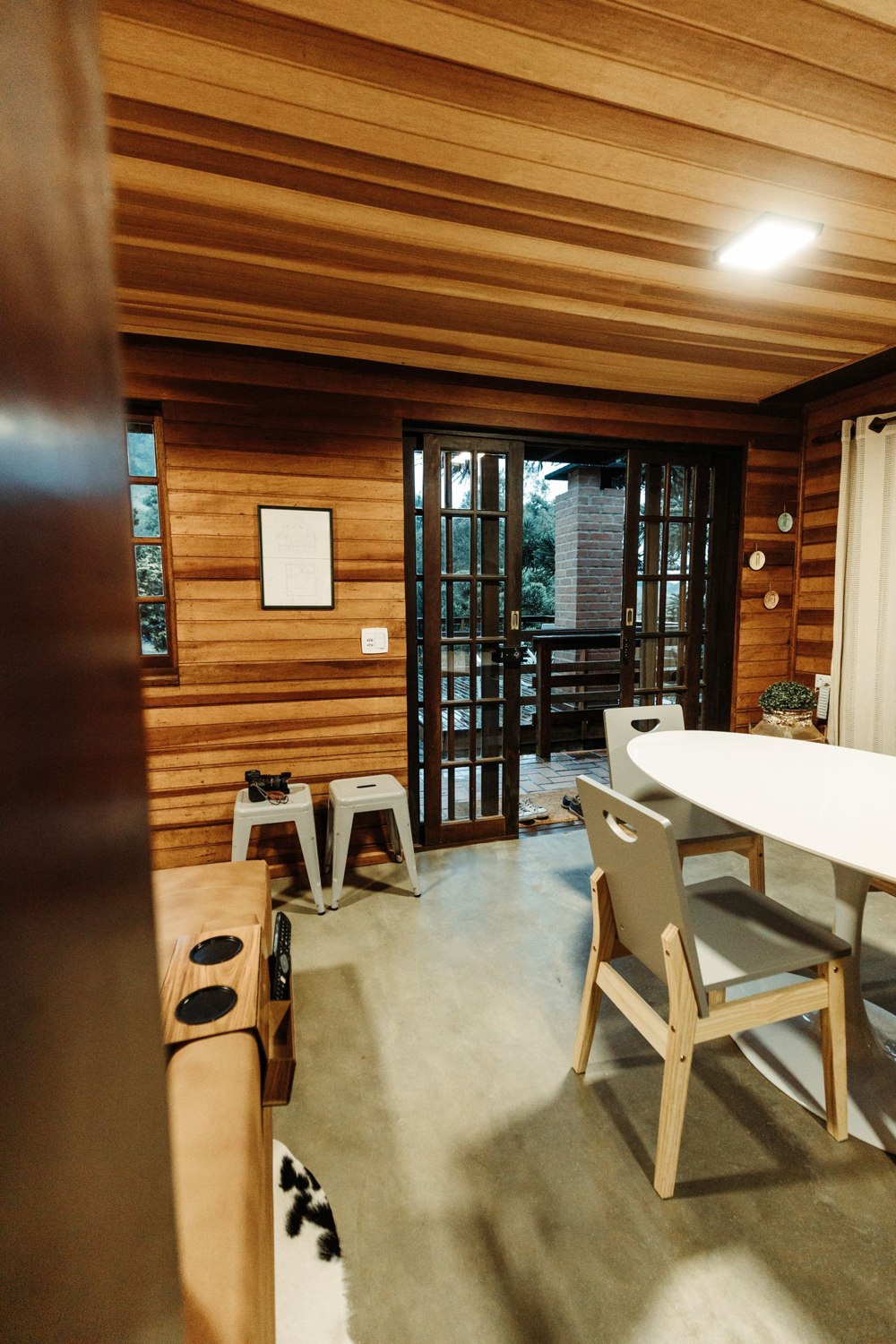
Sliding doors can make a contact sensor look easier to place than it really is. There is usually plenty of visible frame, but one panel may pass behind another and leave little clearance. A magnet that sits neatly with the door closed can strike the adjacent panel when it opens.
Identify which part moves and which part remains fixed. Read the sensor's approved orientation and spacing requirements, then inspect the entire travel of the door. Include handles, screen doors and any normal ventilation position. Nothing should be attached where it can be crushed, scraped or knocked off during everyday use.
The two components need stable surfaces. Decorative trim and flexible weather seals are not automatically suitable mounting points. A thick frame offset may require a manufacturer-approved spacer or a different sensor design. Avoid building an improvised stack of adhesive to bridge a gap that the product was not designed to accommodate.
Test the closed position carefully
A sliding panel may have some movement even when it reaches its stop. Check the sensor through the approved setup process with the door normally closed and latched, rather than held tightly in an unusual position. If small movement makes its status flicker, investigate the fit instead of assuming the app is simply slow.
The contact's closed state does not verify the locking mechanism. Keep a physical latch check in the departure routine. Likewise, do not assume that an approved ventilation opening remains protected in the same way as a fully closed door. Ask the manufacturer how the exact installation should handle that use.
Think about people and pets using the opening while someone remains home. The appropriate alarm mode and entry behavior are configuration questions, not reasons to leave the sensor ignored. Give it a location name that distinguishes it from other patio or kitchen openings.
After installation, open the screen and glass panels through their usual range and confirm that neither touches the equipment. Check again after door servicing or track adjustment, since a mechanical change can alter the spacing. Keep the mounting area accessible for battery replacement and cleaning without disturbing the alignment each time. A well-chosen position should remain usable throughout the door's normal movement, not only look tidy in a photograph of it closed.