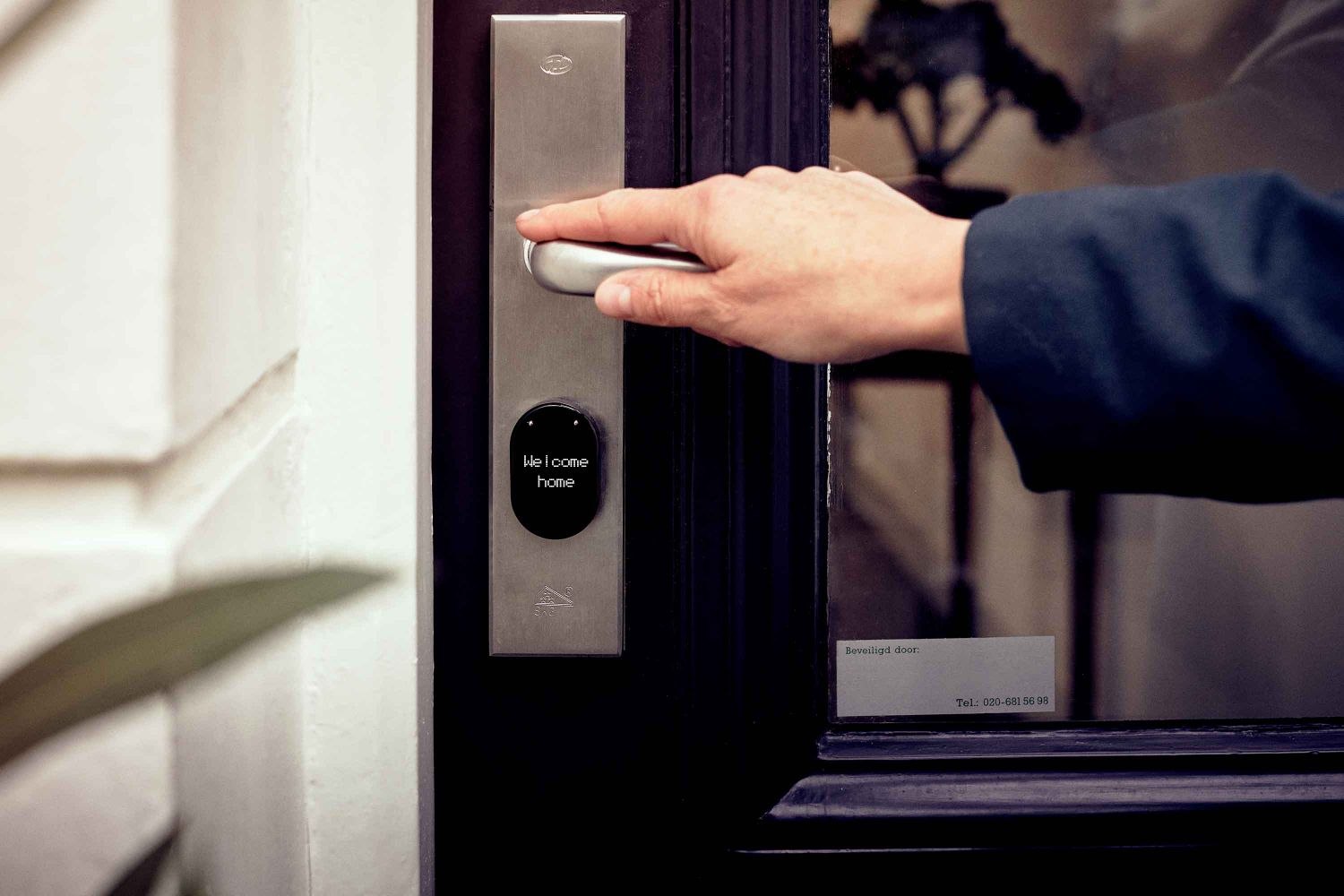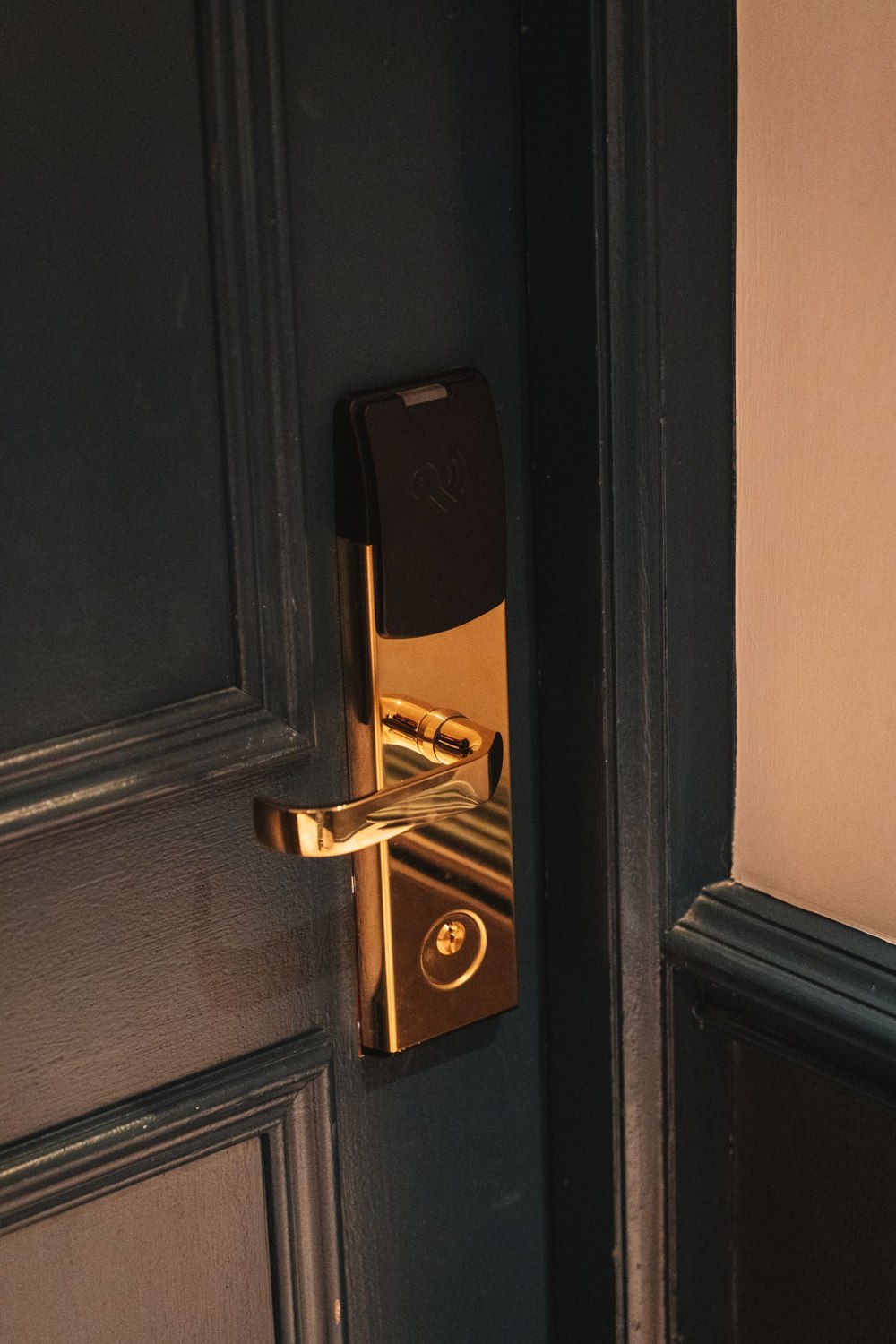
A lock can report that its bolt is extended while a separate sensor reports that the door is open. Those observations are not automatically inconsistent. One may describe the mechanism inside the lock; the other describes the relationship between the door and frame. Understanding the difference prevents a lot of unproductive resetting.
Read the wording of the warning and the product's explanation. “Jammed,” “ajar,” “offline” and “unlocked” should not be treated as synonyms. Check the timestamp too. Two messages received together may refer to states observed at different moments.
Make a safe local inspection if you are authorized and present. Is the door fully closed? Does it move freely? Has a mat, package or other ordinary object prevented it from settling? Do not force a struggling bolt or keep issuing remote commands while the physical condition remains unknown.
If the system uses a separate door-position sensor, check that it is still mounted as instructed. A moved magnet, loose adhesive or recent frame work can affect its reading. Use the exact manufacturer's alignment and calibration procedure; a sensor from another product may look similar without operating the same way.
Calibration is not a general cure for mechanical problems. A door that needs lifting or pushing to lock deserves attention to its fit. Likewise, a low battery or lost connection can require a different troubleshooting path. Change one relevant thing at a time so that the result remains understandable.
For a remote property, ask an agreed local contact to inspect under a clear authorization rather than assuming the app can diagnose the door. Give them the observed message and the appropriate instructions without sharing unnecessary account access. If the condition involves damaged hardware or uncertain operation, arrange professional help.
After resolving the cause, check the sequence under the manufacturer's supported method: door movement, reported position and locking result. Keep another authorized entry option available during testing. Record the cause in the maintenance notes so that a recurring warning can be recognized later.
The extra sensor is most useful as another source of information. It does not eliminate the need to interpret messages carefully or confirm that the physical entrance works normally.