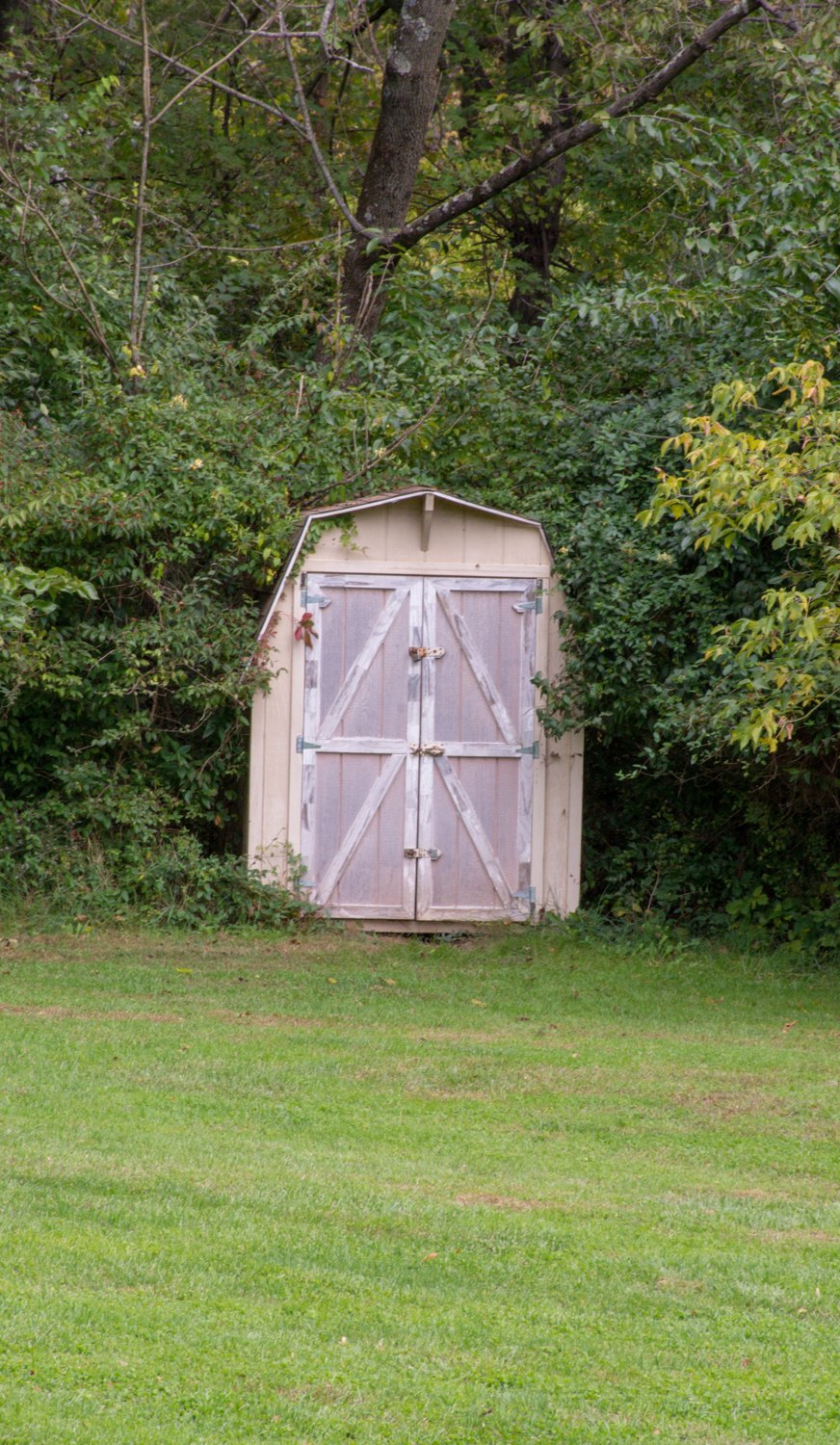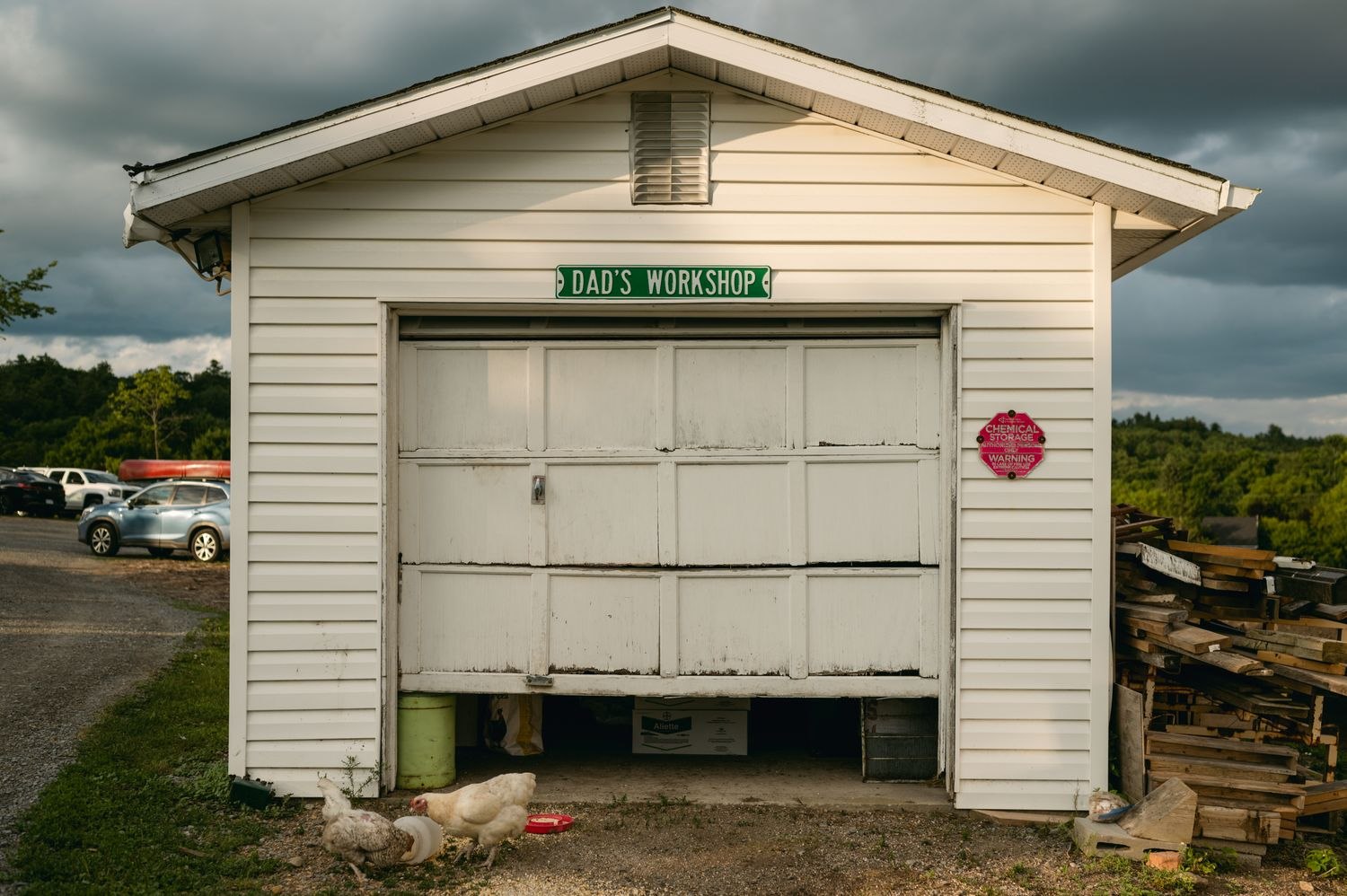
A garage often has more than one route in. The large vehicle door may have a status sensor, while a side door is treated as ordinary background. A notification that the garage door is closed usually says nothing about that separate pedestrian entrance. Start by naming every opening before deciding what the current equipment covers.
Look at how the side door is used. It might be the usual route for taking out trash, reaching a workshop or returning from the yard. Those habits affect the alarm's mode and entry-route configuration. A sensor that repeatedly interrupts normal activity is likely to be ignored unless its role is planned properly.
Check the environment before choosing hardware. An unconditioned garage can have temperature and humidity conditions unlike the main house. An indoor sensor should not be assumed suitable simply because it is sheltered from direct rain. Read the operating limits and ask the manufacturer about the proposed location when the conditions are uncertain.
Fit the equipment to the opening
Examine the frame for a stable mounting surface and enough clearance for the sensor and magnet. Metal construction or unusual trim may require the manufacturer's specific arrangement. Do not borrow the spacing rule from another model. Test the contact's open and closed states through the supported setup procedure before treating the position as finished.
Communication is a separate check. A detached garage may be beyond the system's supported arrangement even if a phone shows strong Wi-Fi there. Many alarm sensors communicate using a different radio network. Confirm both the technical range and whether the manufacturer allows the device to be used in a separate building.
Give the sensor a name that cannot be confused with the vehicle door or the door from an attached garage into the home. “Garage yard door” is more useful than “garage sensor.” Add it to the household's device sketch and review which modes include it.
Finally, keep the physical door in view. The contact reports a state; it does not correct a loose latch, damaged frame or a door that fails to close properly. Include the entrance in the normal closing routine and check the sensor after maintenance or seasonal changes affect the fit. Separate, clearly understood coverage is more useful than one reassuring “garage” label that hides several different openings.