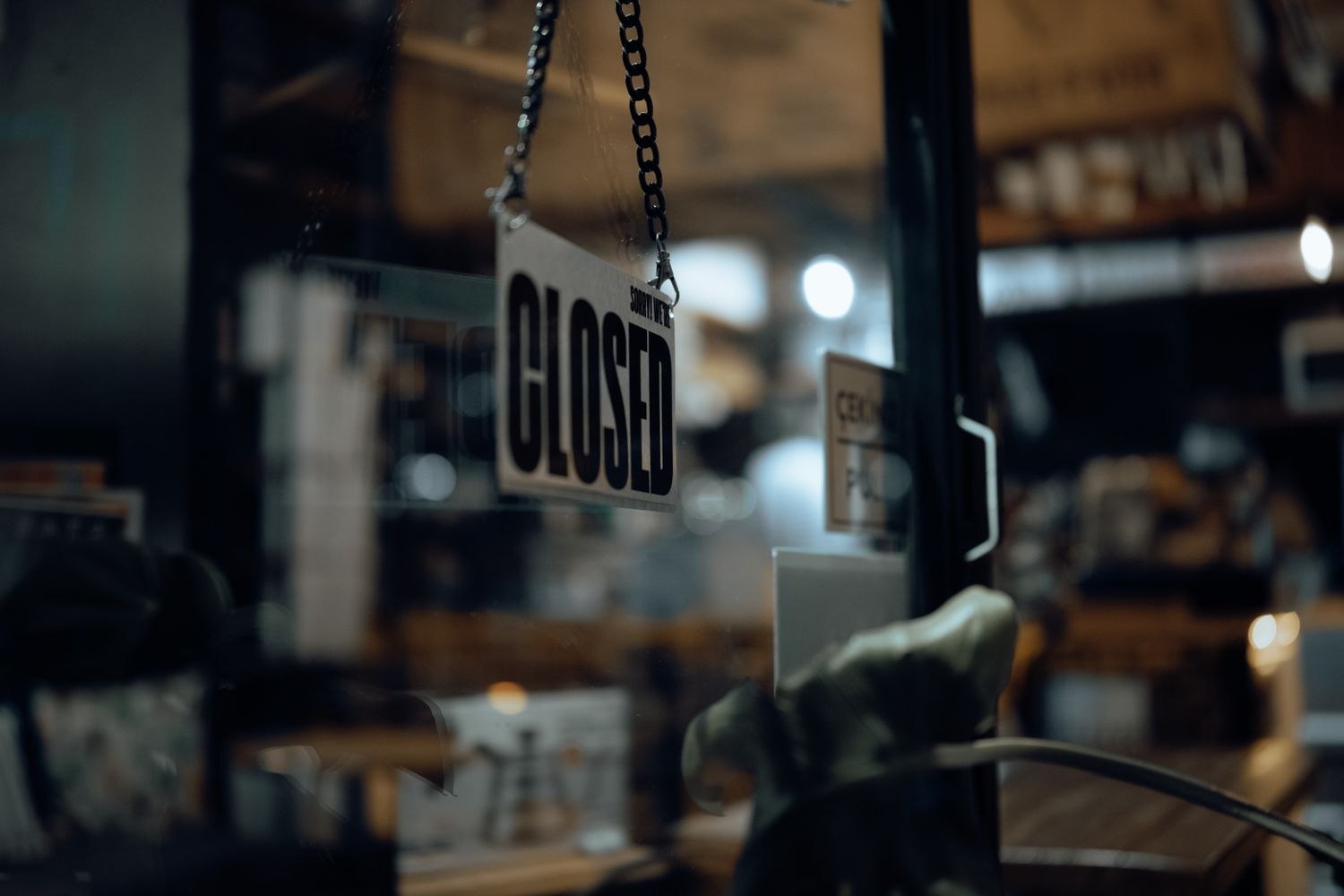
At closing time, several things happen together: the sign changes, stock moves away from the entrance, the lights change and someone takes the trash out. A security setup arranged during quiet daytime hours can behave quite differently during those final ten minutes.
Watch the sequence before deciding what to change. Which door does the last person use? Does a display block the entrance camera when it is moved overnight? Is there a delivery expected before the next opening? Write a short closing routine around the answers rather than relying on a vague instruction to set the alarm.
Keep opening, locking and alarm responsibilities explicit. If one person closes the entrance while another arms a system, both need to know when the handoff has happened. Where individual credentials are supported, issue appropriate access to each regular closer and review it when roles change. A credential log is not a reliable substitute for knowing who was assigned to close that evening.
Review the view with the shop closed
Look at the entrance under its actual overnight lighting. Interior reflections, a lowered shutter or a rearranged window display can change what is visible. A camera should have a defined task, such as documenting the immediate doorway, rather than collecting the largest possible view of the street.
Keep staff work areas and neighboring premises out of the picture unless there is a justified purpose and the necessary permissions. Get advice about privacy and workplace requirements for your location instead of treating a device's default settings as a policy.
Decide who receives overnight messages and who covers absences. A business owner should not assume an off-duty employee has agreed to monitor a personal phone. If an event needs a local response, use the agreed procedure and appropriate services; do not expect staff to investigate a potentially unsafe situation alone.
The morning routine matters too. A brief check of the entrance, relevant recordings and any overnight warnings can catch a pattern before it becomes background noise. Note repeated issues with the specific time and circumstances. That record is more useful than repeatedly clearing alerts without understanding them.
Put the routine where authorized staff can find it, but keep passwords and sensitive codes elsewhere. The shop should still be straightforward to close when the usual person is away.