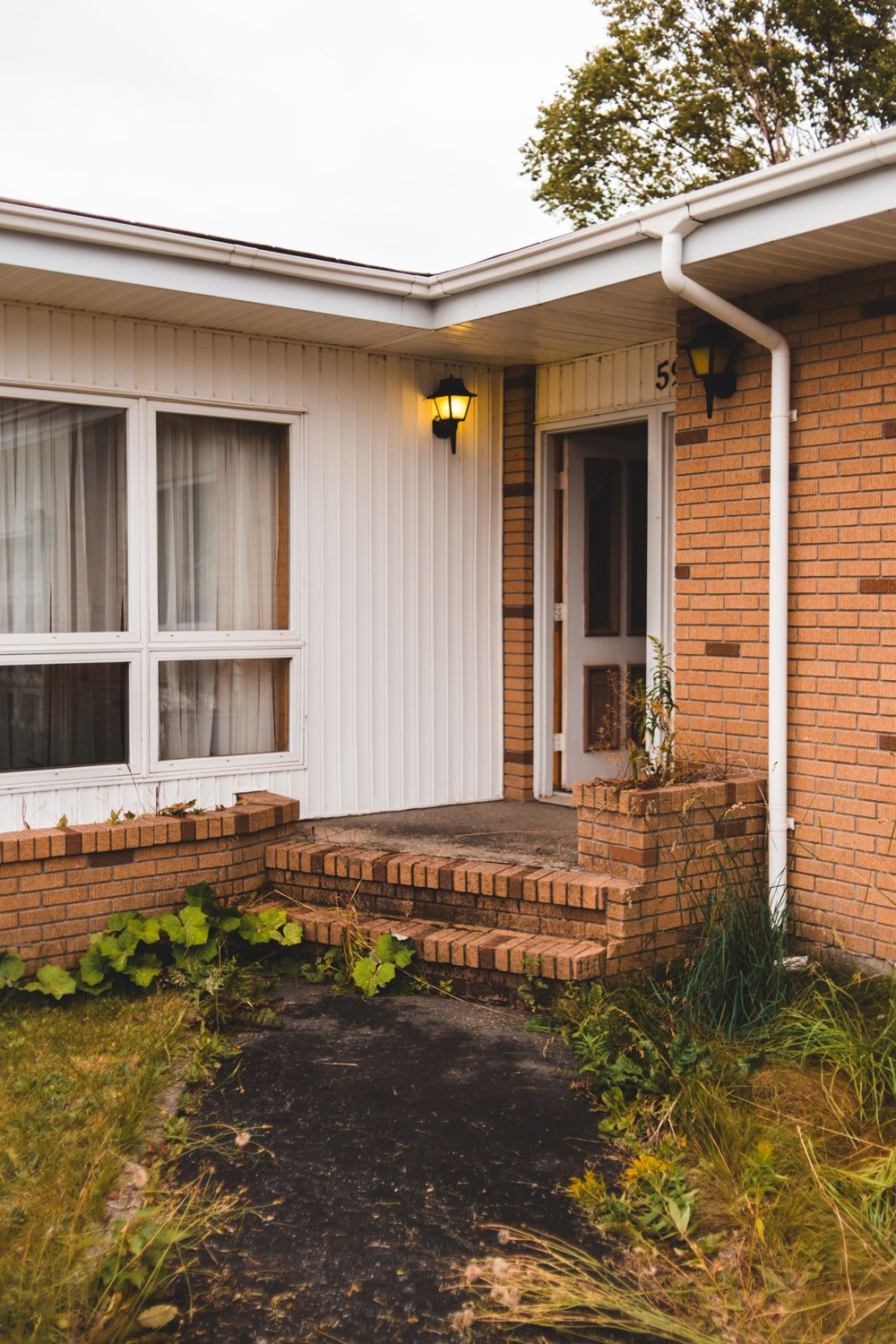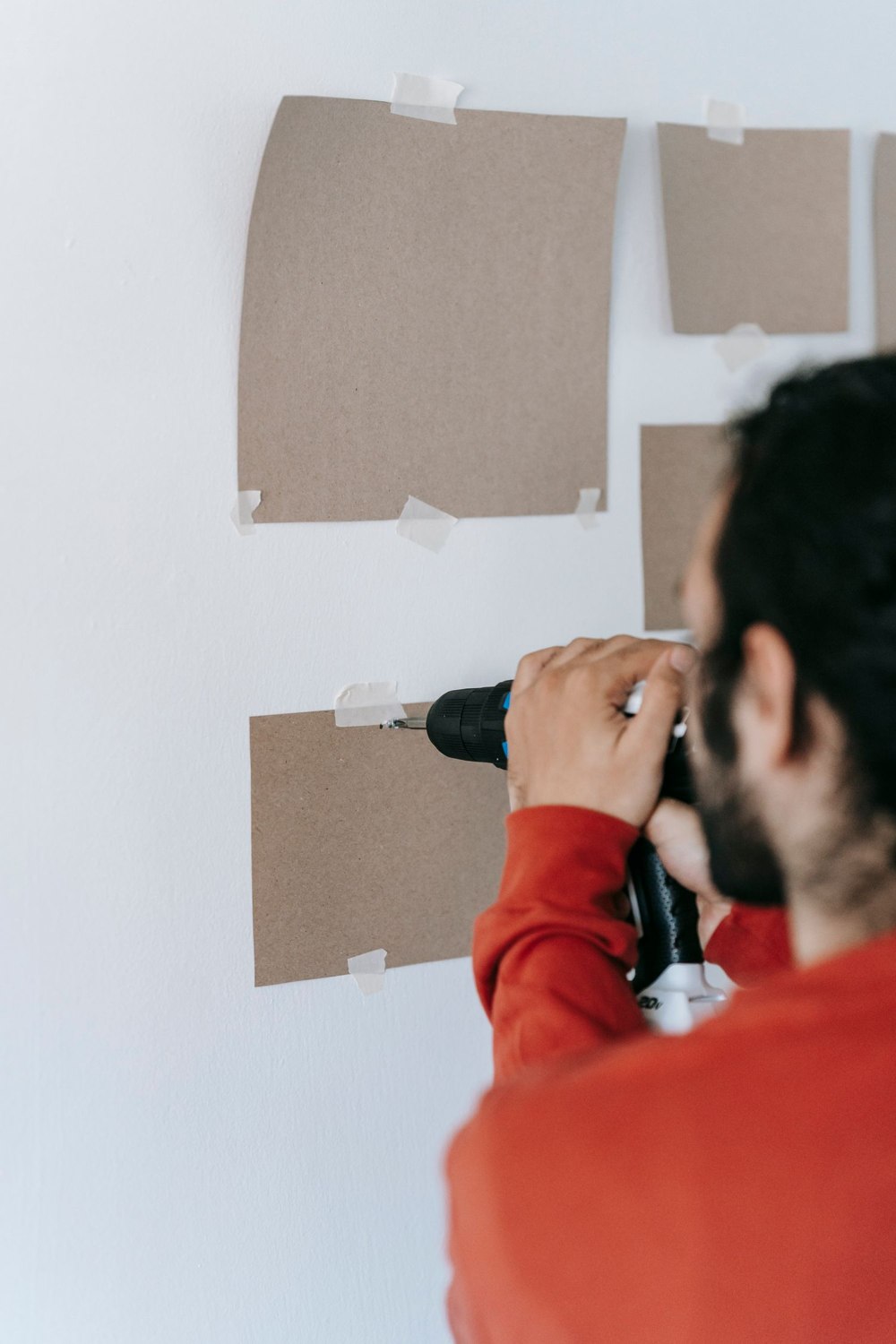
Renovation changes a home in stages. A back door becomes the main entrance for a week, then a partition moves, then the router is relocated to make room for decorating. A security arrangement that was sensible at the start can become confusing long before the project is finished.
Ask the contractor which areas and entrances will be used during each phase. Discuss equipment that may need protection, relocation or approved temporary removal. Keep this conversation separate from the assumption that tradespeople will recognize every sensor and know its purpose.
Do not leave a device looking active when everyone knows it has been disconnected for the work. Record the temporary state and tell the relevant household members. If a monitored service is involved, follow its procedure for planned work and testing rather than improvising ways to silence warnings.
Keep temporary access temporary
Agree on how workers enter, who closes the property at the end of the day and how changes are communicated. Where suitable scheduled or individual access is supported, use it according to the equipment's capabilities. Do not hand out an owner-account password as a shortcut for opening a door.
Expect the working pattern to change. A delivery may arrive before the main crew, or a specialist may attend only once. The person managing the project should keep the access arrangement current and remove permissions that are no longer required. Avoid recording secret codes in documents circulated to every supplier.
Make recording arrangements clear to people working in the property, with appropriate advice about local requirements. A camera used to document an entrance should not quietly become a way of watching every work break or private conversation.
Protect the equipment without defeating its job
Dust sheets, stacked materials and temporary fencing can obscure a view or interfere with ordinary access. Ask about approved protection and placement rather than covering equipment and assuming it still functions. Keep any essential services and safety equipment under the care of the appropriate professionals.
Electrical work, gate controls and unfamiliar wiring should remain with qualified people. The household's role is to identify what depends on the affected supply or connection and make sure the relevant installer has that information. It is not to improvise a temporary circuit so an app icon stays green.
At the end of each disruptive stage, check the functions you still intend to use. Look at the actual entrance view and confirm an ordinary event through the official testing process. Moving the router back does not by itself establish that every device and saved recording arrangement has returned to normal.
When the work is complete, conduct a fresh walkthrough rather than restoring old settings without review. New doors, lighting, furniture and sightlines can justify a different layout. Update device names and records, remove expired access and collect temporary keys as agreed.
The finished home should have a clear everyday routine again. If the system still relies on remembering which sensor was bypassed during plastering, the renovation handover is not quite finished.