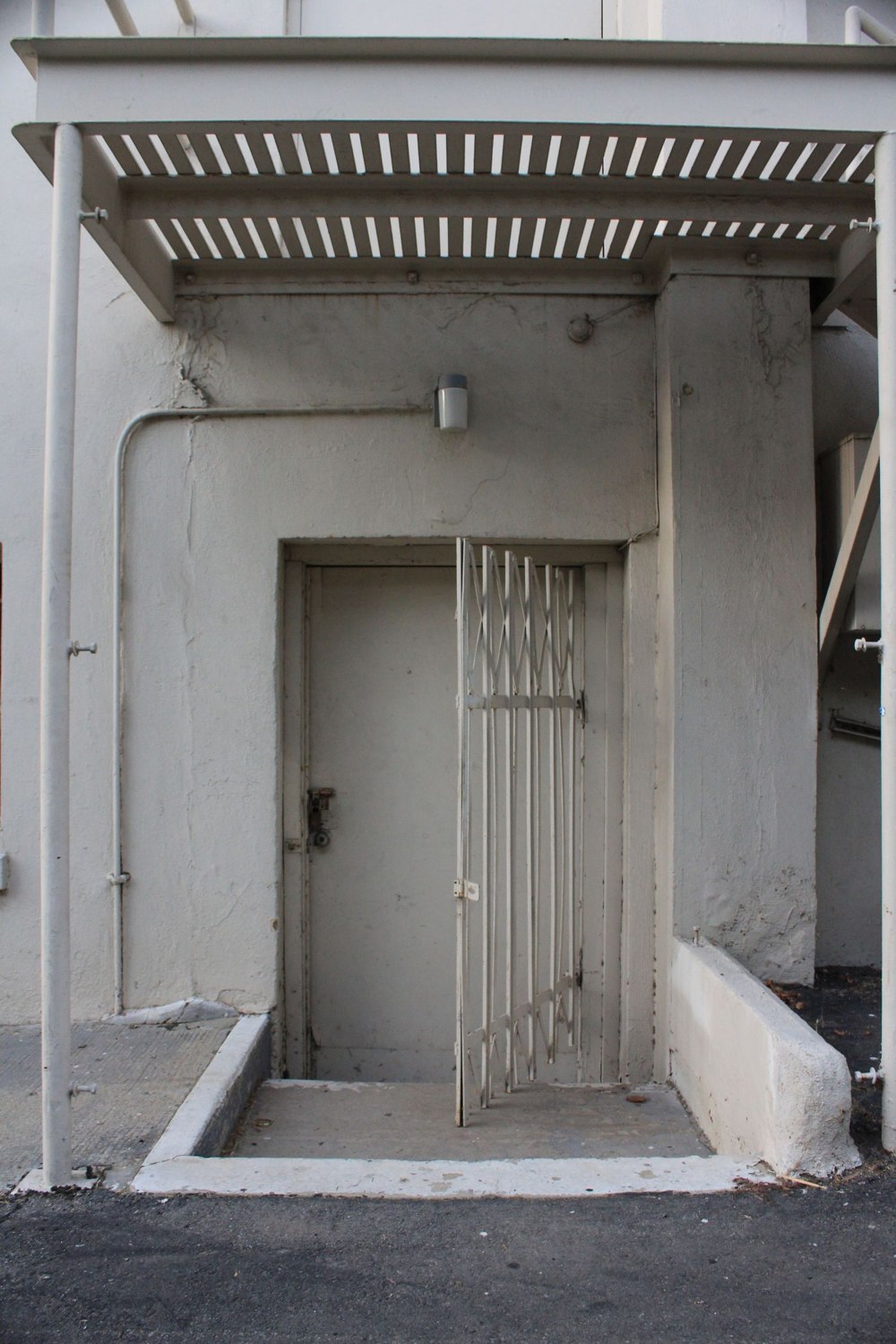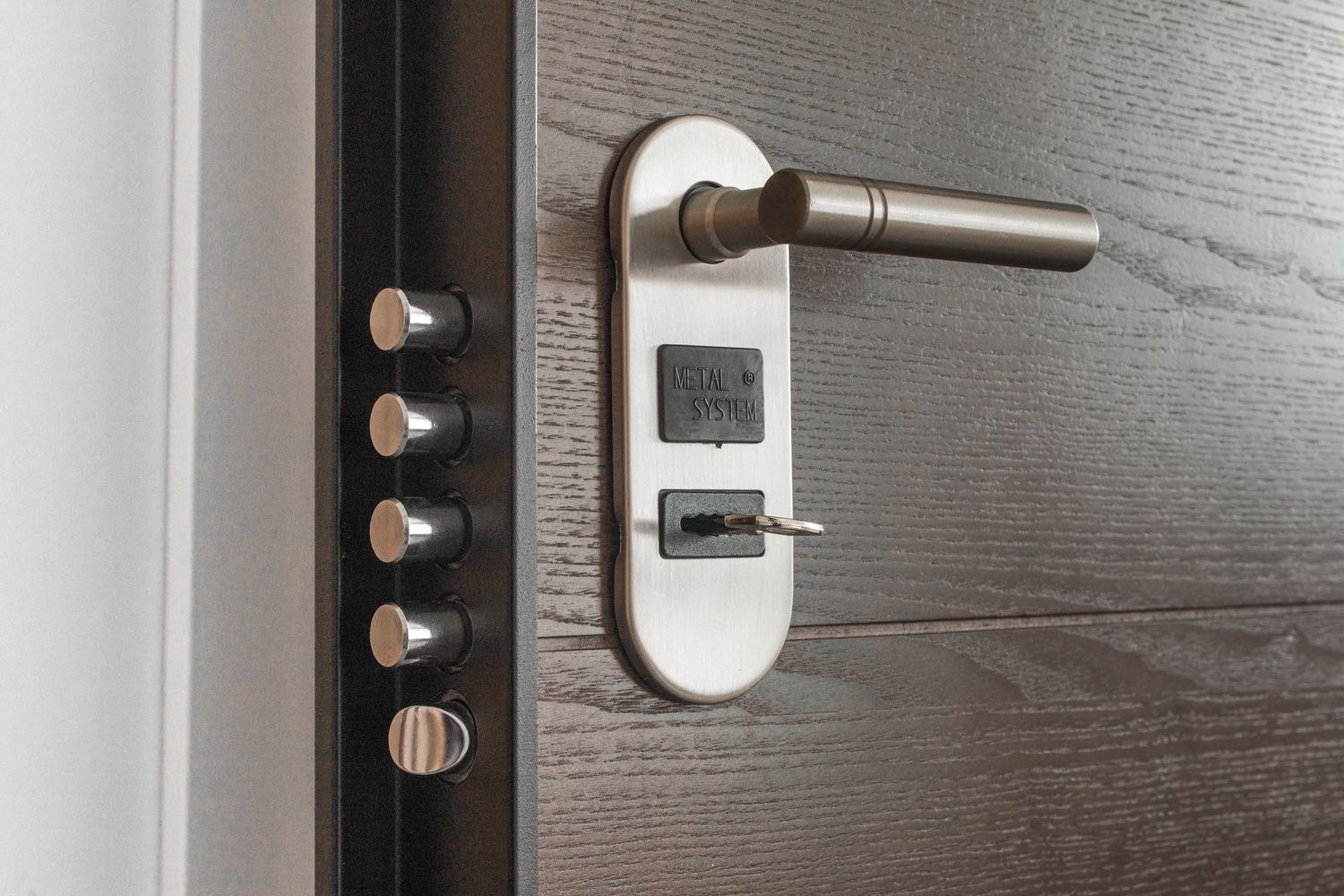
Before measuring for a smart lock, close the door as you normally would. Does it settle into the frame without a push? Can the existing deadbolt move freely, or do you lift the handle and lean against the panel? These small habits are easy to overlook because your hand has learned to compensate for them. A motor does not necessarily make the same adjustment.
Check the door with the lock open and closed, following the existing hardware's instructions. Notice rubbing, a loose hinge or a latch that catches only when the door is pulled hard. If the fit changes with weather, include that in the decision. A door that behaves well on installation day may still have a seasonal alignment problem.
Do not treat a stronger motor as the solution to mechanical resistance. Have the underlying condition assessed where necessary before fitting new equipment. Work on fire-rated doors, unfamiliar frames or damaged hardware deserves appropriate professional advice, not an improvised adjustment to make a purchase fit.
Measure the actual opening
Find the installation guide for the exact lock, including its regional version. Compare door thickness, backset, bore sizes and required clearances. Backset is the distance from the door edge to the center of the relevant bore; it is not the width of the lock's decorative plate. Photographs can help you document the arrangement, but use measurements rather than estimating from appearance.
Schlage's model-specific preparation sheets illustrate why this matters: they specify several dimensions, not just a single “standard door” description. A lock can match the backset while lacking clearance from another handle or a nearby storm door. Check both faces of the door and the space needed to remove the battery cover later.
Consider the complete installation, including the strike and latch components the manufacturer requires. Do not mix parts because an old one appears to save work unless the guide explicitly allows it. If the necessary preparation exceeds your skills or permission to alter the door, arrange an installer or choose another supported product.
A short fit record makes shopping less ambiguous. Write each measurement beside the corresponding requirement in the installation sheet and mark anything you cannot confirm. “The door seems standard” leaves too much unresolved; “the thickness matches, but the inside handle clearance is uncertain” gives the supplier a question they can answer. Include whether the door swings inward or outward and whether nearby hardware interferes with the proposed assembly, without assuming those facts alone determine compatibility.
It is also worth checking the battery-access space with the door in its ordinary open position. A wall or decorative trim can make an otherwise valid installation inconvenient to maintain. Discovering that constraint before purchase is easier than removing the lock whenever it needs attention.
Test before relying on it
Follow the installation instructions with the door in the specified position; manufacturers commonly include open-door checks to avoid lockout. Keep a legitimate backup entry method available. Test the complete sequence only after the mechanical and electronic setup steps have been completed correctly.
Once installed, listen for a change in operation rather than accepting repeated struggle as normal. Review a new warning or resistance promptly. A successful app connection tells you the electronics have connected; it does not certify that the bolt moves cleanly into the frame. The door and the lock have to work as one ordinary, usable entrance before remote features add anything worthwhile.