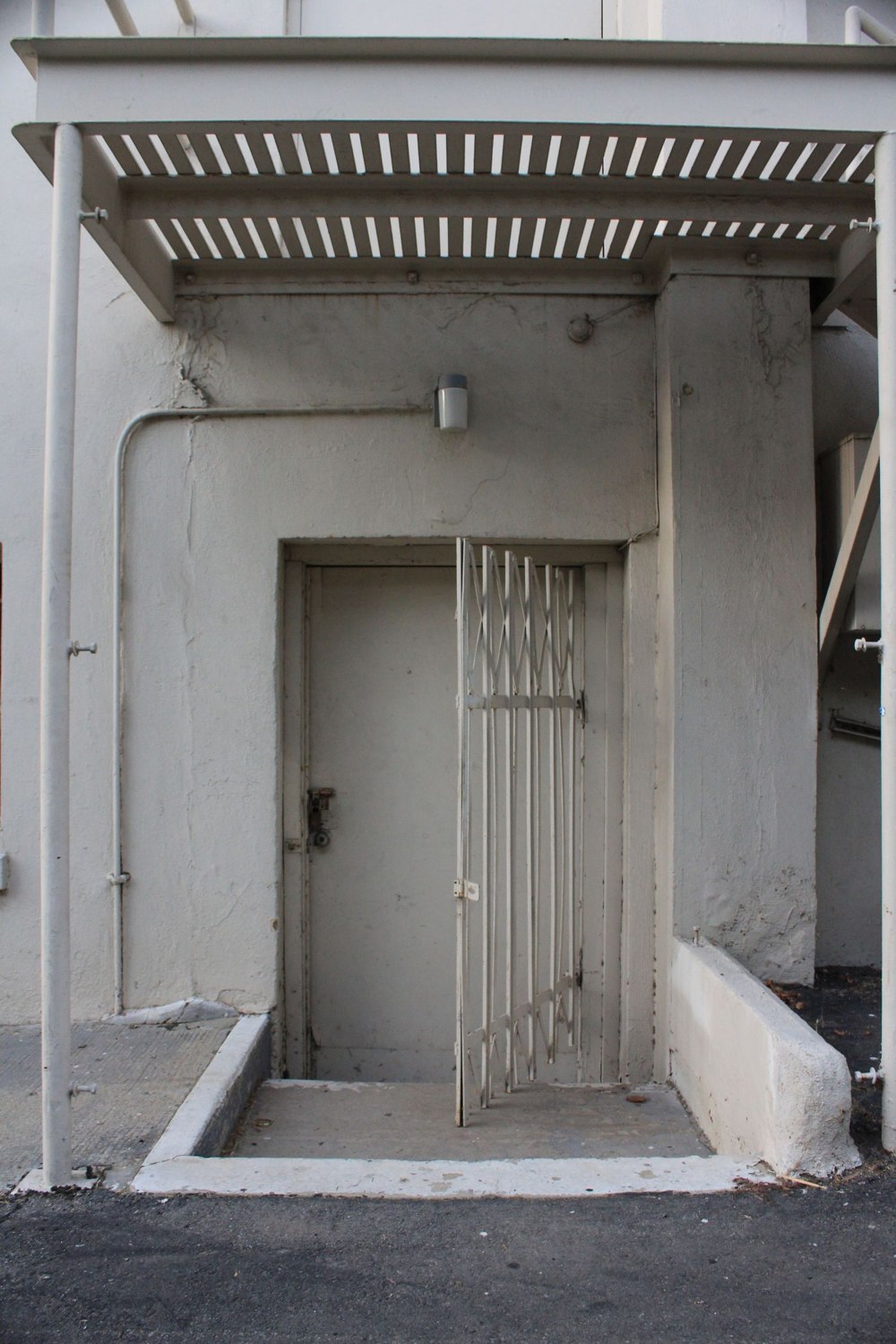
The person who set up an access system often remembers details nobody else knows: which app controls the garage, why one door has a different name and where a particular sensor's manual is stored. A handover record turns that memory into something another authorized person can use.
Begin with an inventory organized by entrance, not by purchase date. Record the product model, its ordinary purpose and the location of its instructions. Include separate hubs, position sensors and controllers where relevant. A photograph of accessible labels can help, provided serial numbers and other sensitive information are stored appropriately rather than published.
Keep the document distinct from the secrets. It can say who administers an account and how an authorized transfer is arranged without containing passwords, recovery keys or live access codes. Share credentials only through an appropriate separate process.
Record decisions that are easy to forget
Write down the usual arrival and departure routine, supported fallback method and the person responsible for maintenance. Note any service or subscription that a feature depends on, along with where its current terms can be found. Avoid copying prices into a document that may remain unchanged for years.
Include important limitations in plain language. Perhaps the app reports a command rather than confirmed gate position, or a particular visitor code applies only to the workshop. These details help the next responsible person avoid assumptions based on a neat interface.
For powered gates or specialized access equipment, retain professional installation and service records. The handover document is not a substitute for manuals or a site-specific safety assessment. It should point to the correct records and qualified contact, not describe improvised repairs.
At a change of owner or occupant, use each manufacturer's supported account-transfer process. Review digital users, physical keys, remotes and linked services. A factory reset or removal of an app may be only one part of the transition. Confirm the new authorized person's control before treating the handover as complete.
An entrance-by-entrance page can stay very simple:
- Entrance name and the equipment that operates or observes it.
- Person responsible for the account and for arranging maintenance.
- Location of the current manuals and professional service records.
- Supported everyday operation and where authorized fallback instructions are kept.
- Date the information was last checked.
This is enough structure to make the record useful without turning it into a technical manual. Add a note only when it helps the next person make a real decision. A drawing showing which hub belongs to which entrance may be worthwhile; a lengthy description of every screen in an app will become outdated quickly. Keep private codes and detailed recovery information outside this ordinary handover sheet.
Keep the record concise enough to maintain. Update it when equipment, responsibility or the normal routine changes, and mark superseded information clearly. A useful handover does not document every tap in an app. It gives the next person enough context to operate the entrance, recognize a limitation and obtain the right help without inheriting a collection of unexplained devices.