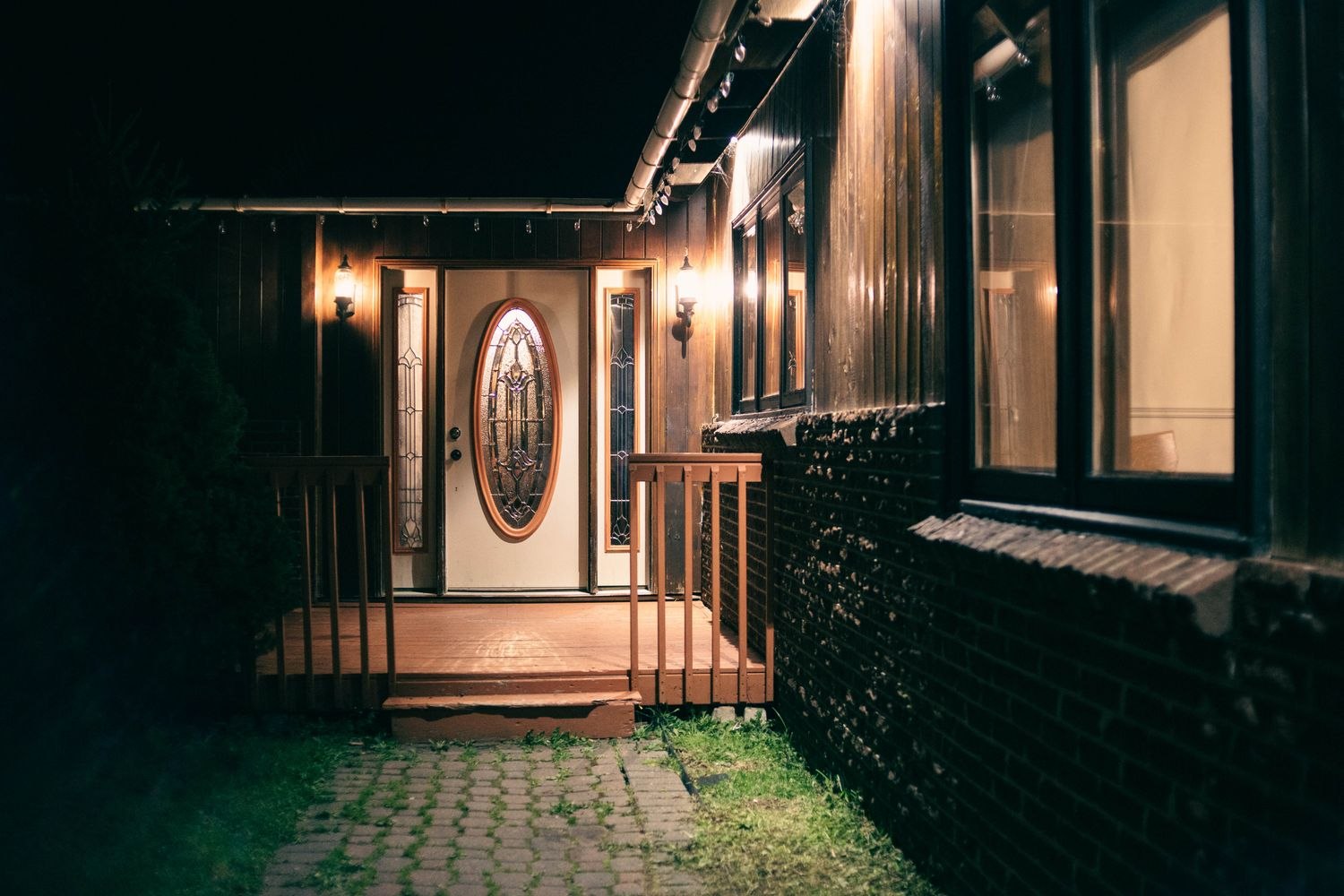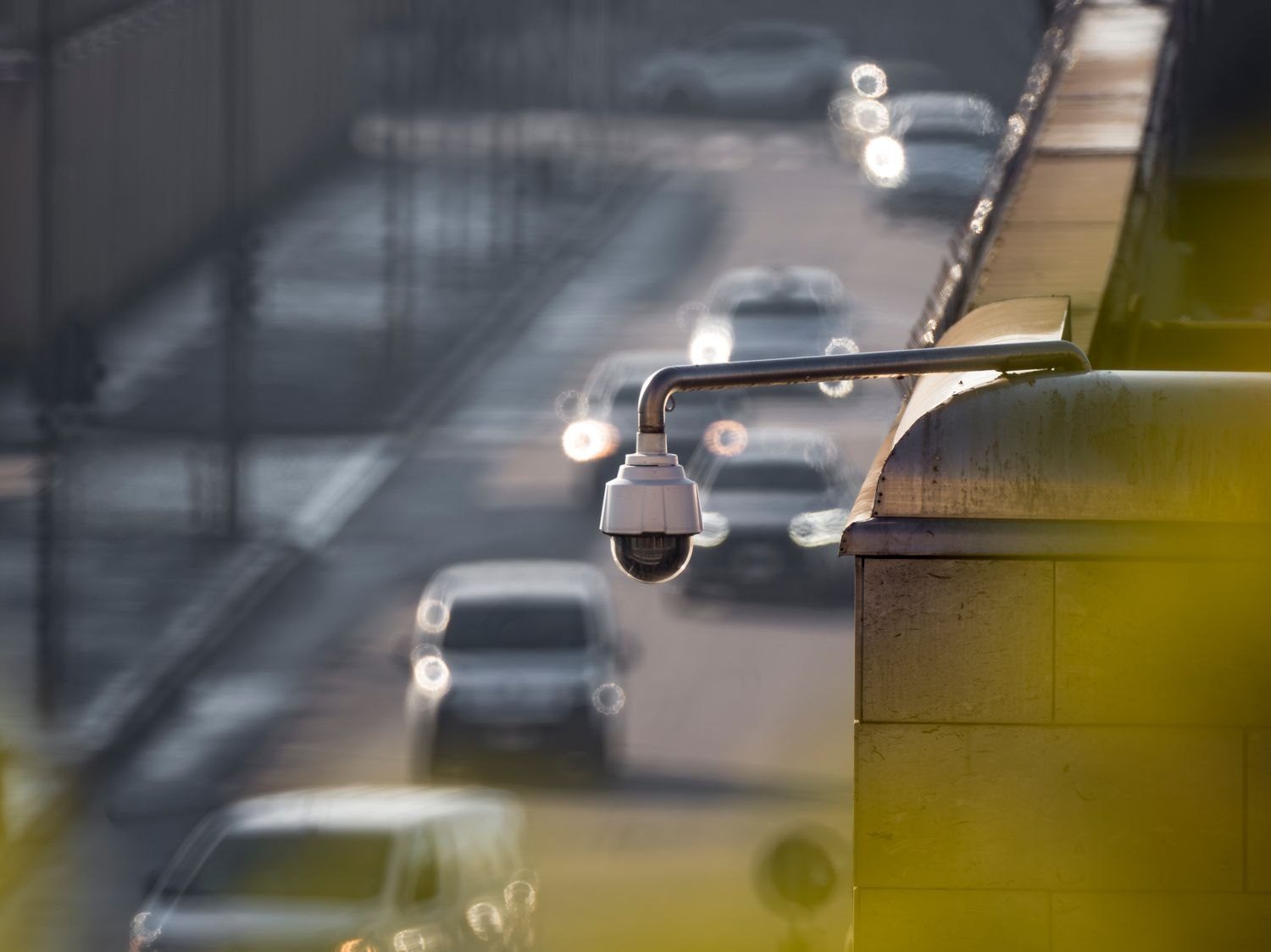
Putting a camera on a windowsill seems convenient. There is power indoors, no outdoor mounting work and a clear daytime view of the front path. At night, however, the image may become a bright haze with almost nothing visible beyond the glass.
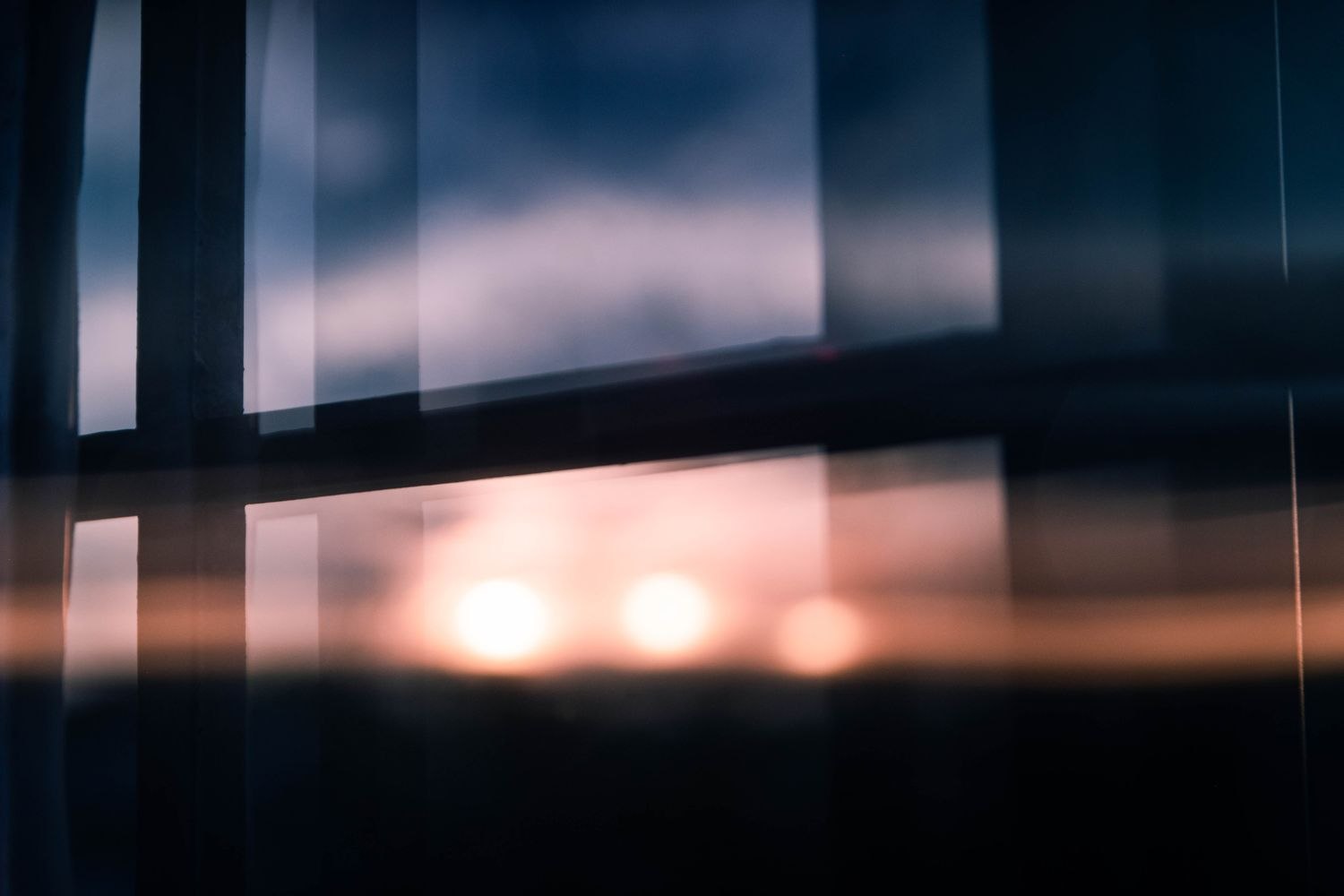
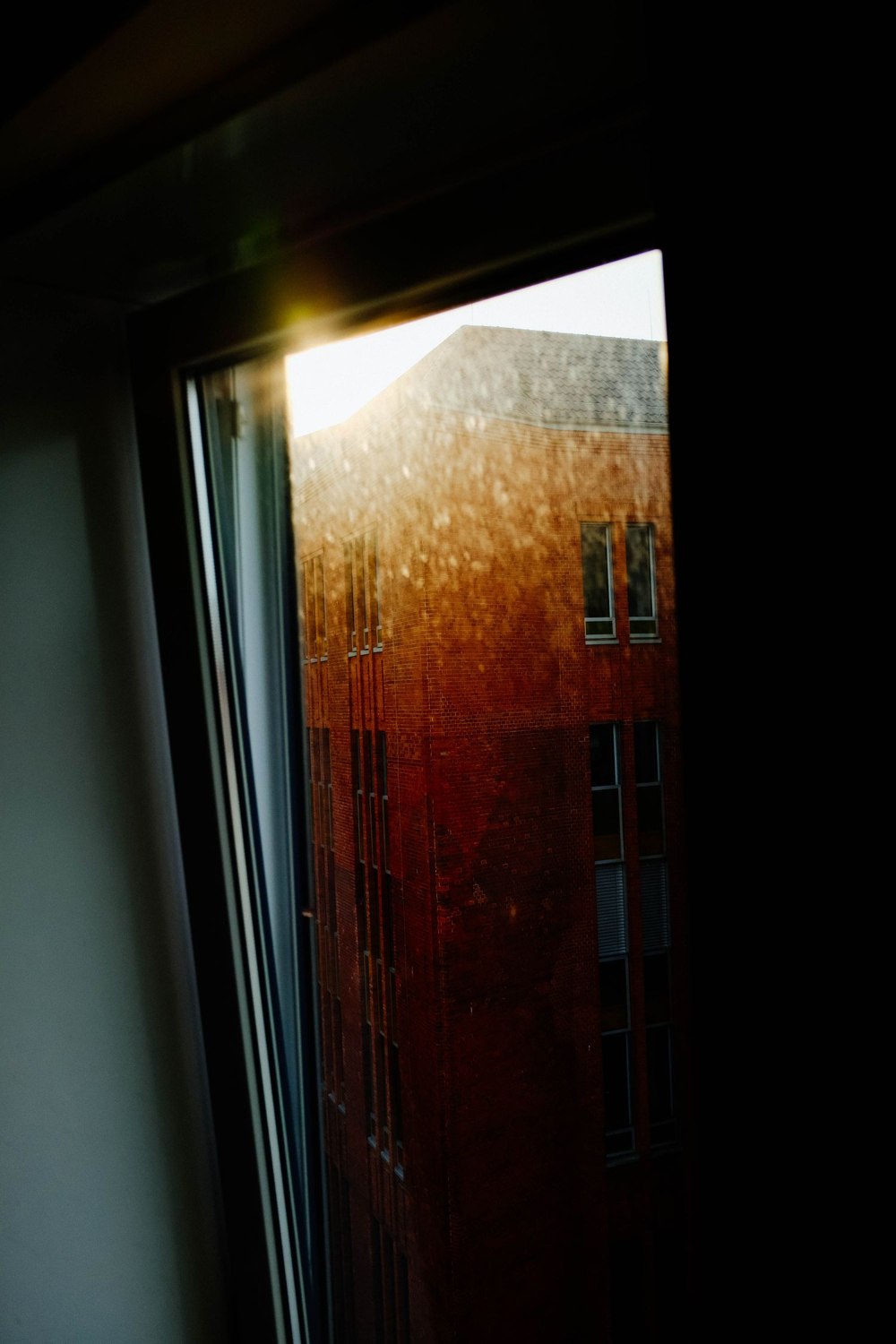
Many cameras illuminate a dark scene with infrared light. A window close to the device can reflect that light back into the lens. The camera is then looking at its own reflection rather than illuminating the path effectively. Double glazing, dirt and reflections from room lights can make the result still less useful.
A daytime test does not settle the question
Check the actual night recording with the room in its normal evening state. Turn the indoor lights on and off to distinguish room reflections from the camera's own illumination. Avoid assuming that every pale patch has the same cause; a bright outdoor lamp, condensation or a dirty pane can also affect the picture.
Some models let you disable infrared illumination separately from night mode. That may reduce the reflection, but it also removes a source of light for the outdoor scene. Whether the remaining illumination is enough depends on the location and the camera. It is an option to evaluate, not a universal fix.
Other detection functions may behave differently behind glass as well. Check the manufacturer's placement guidance for the exact model, especially when the device uses a separate motion sensor. A usable live image does not establish that event detection will work reliably through a window.
Choose a location that suits the equipment
An outdoor-rated camera mounted in a suitable position usually avoids the glass barrier. Its weather rating, operating temperature, power supply and connectors still need to suit that location. Do not move an indoor-only unit outside just because it sits under a small overhang.
If an indoor position is the only permitted option, treat it as a limited arrangement and test the specific task. You may be able to see whether a vehicle is present without obtaining a clear view of someone approaching it. Keep the glass clean, minimize indoor reflections and review the saved events after dusk. Do not rely on a bright daytime preview as evidence of dependable overnight coverage.