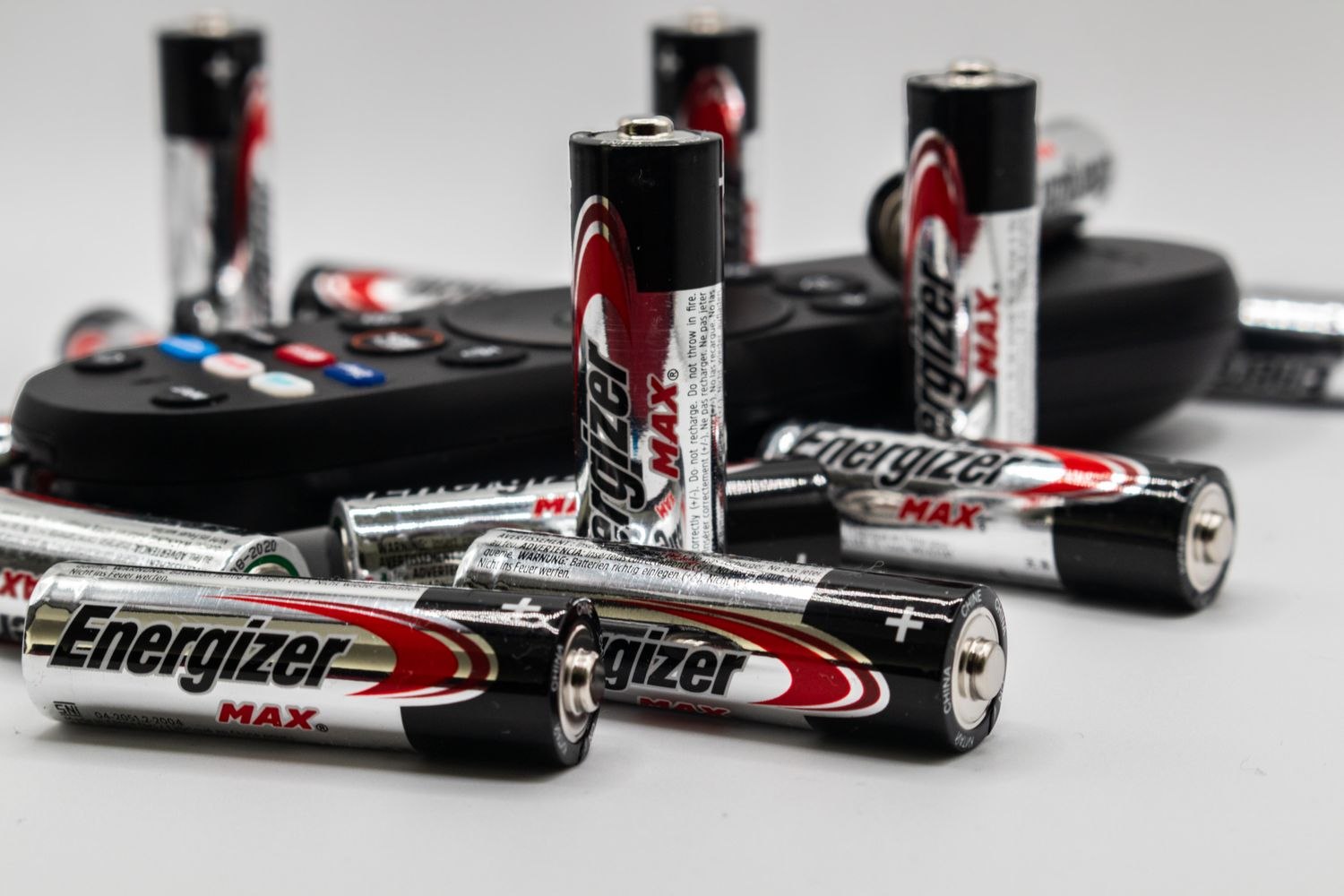
Two batteries can fit the same compartment and still be different in ways that matter to the device. Size, chemistry and the product's intended power arrangement all belong in the decision. A packet labeled premium or long-lasting does not override the battery type listed in the instructions.
Read the model's battery requirement before shopping. Do not rely only on the batteries left by a previous owner; those may not have been the correct choice. If the device uses a proprietary rechargeable pack, follow its specified charging and replacement arrangement rather than adapting ordinary cells to it.
Energizer's battery-care guidance advises using the size and type specified by the device and replacing a set together rather than mixing old and new cells. For a household security device, that means keeping the replacement task simple and deliberate: the correct batteries, correctly oriented, with the compartment closed as instructed.
Replace, then verify
Choose a time when the household knows the device is being serviced. An alarm sensor may produce a tamper or offline message when opened, so use the manufacturer's and monitoring provider's maintenance procedure. A lock needs a safe access plan while its power is interrupted. Do not begin with the household's only entry route depending on the device you are dismantling.
Inspect the compartment without scraping, bending or forcing its contacts. If there is leakage, swelling, heat or physical damage, stop using the affected part and follow the supplier's handling advice. Never attempt to recharge a battery not intended for recharging or modify a battery pack to fit.
After fitting the correct replacement, check the device's status and its actual function. A cleared low-battery icon is useful, but a normal supported sensor test or lock operation provides another piece of evidence. If a warning persists, record it rather than repeatedly swapping random battery types.
Keep a note of the replacement date and the exact battery specification. If the next set drains unexpectedly quickly, that history can help distinguish a one-off old battery from a recurring device, connection or mechanical problem. For a lock, resistance at the door may deserve investigation instead of assuming every short runtime is a battery-brand issue.
Store the remaining unused batteries safely and dispose of exhausted ones through an appropriate local route. Do not leave loose coin cells on a worktop where a child can reach them. The replacement is complete when the device works, the record is updated and the removed batteries are no longer lying around the house.