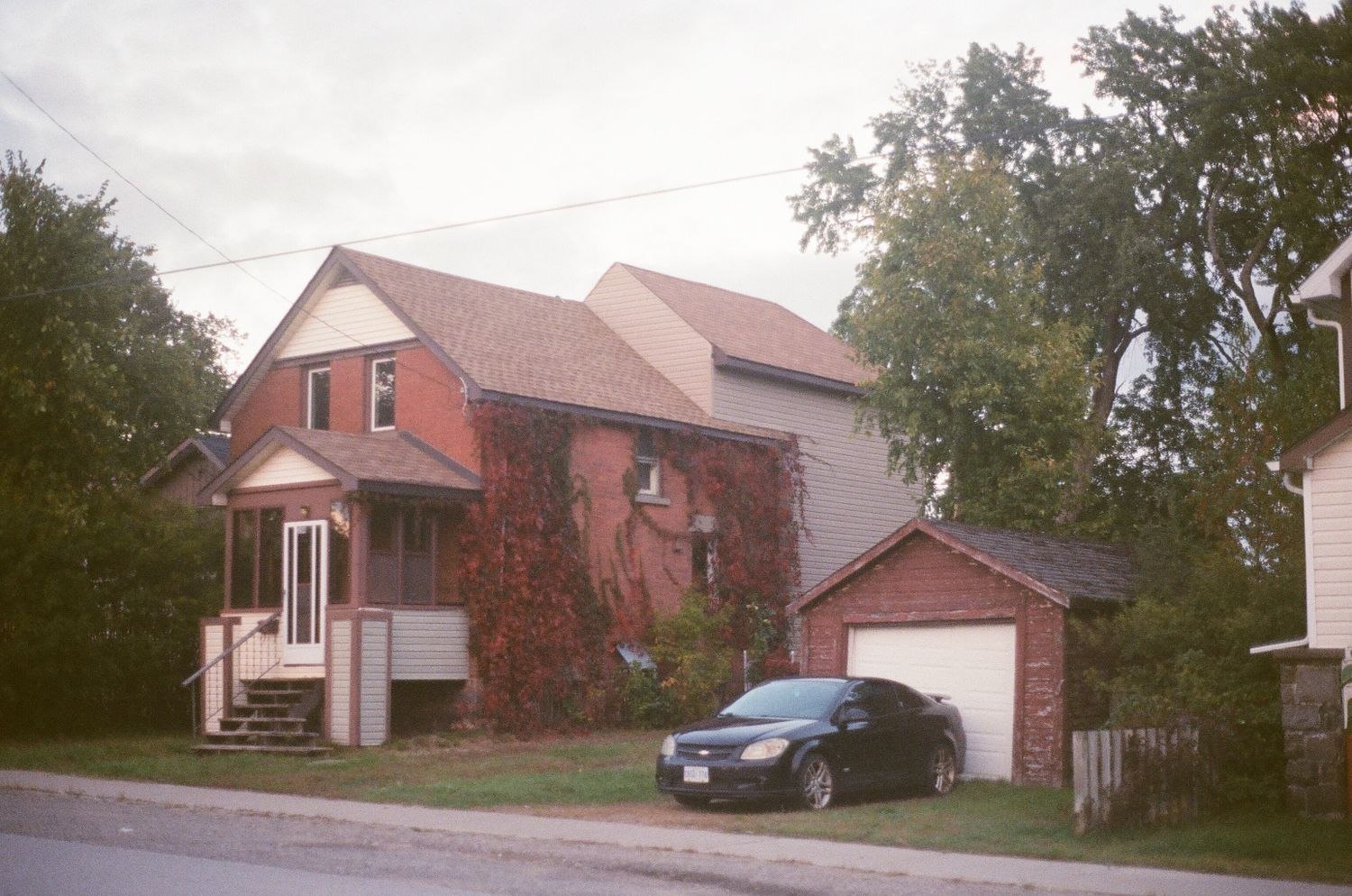
The top of a garage is an obvious place to mount a camera. It has a broad outlook, often sits near a power route and keeps equipment away from casual contact. Yet a view that neatly contains the whole driveway can miss the detail of someone walking toward the door.
Decide what the camera is for. Seeing whether a car is parked, noticing movement across the driveway and viewing a visitor's face are related but different tasks. A single wide, elevated image may be good at the first two and less useful for the third.
Follow a person through the frame
Ask someone to take the normal route from the sidewalk or parking space. Review the recording at its ordinary playback size, not just while pinching to zoom. Notice where the face becomes visible, how long it remains visible and whether a parked vehicle blocks that section of the approach.
An open garage door can change the view too. Depending on the mounting point, it may block part of the scene or expose a bright interior that changes the image. Test with the door in the positions it actually occupies during the day. Do not attach equipment in a way that interferes with moving hardware or safety devices.
Use height deliberately
Follow the camera's placement guidance and arrange safe access for installation. Mounting lower solely to improve the face angle may make the device easier to damage or obstruct. A second, separately positioned view may make more sense when the driveway overview and the entrance require very different angles.
Check lights after dark. Vehicle headlights can enter the frame directly, while an overhead garage light may illuminate the ground without lighting a visitor's face. A dry daytime test will not show those effects.
Remember servicing before choosing the final position. A camera that needs charging, cleaning or a reset should not require an improvised ladder arrangement each time. If it is a difficult location, suitable permanent power and professional installation can be part of the plan.
Keep a screenshot of the intended view after setup. It provides a simple comparison if a storm, loose mount or maintenance work changes the angle. The driveway should remain recognizable, but the important test is whether the expected approach is still visible.