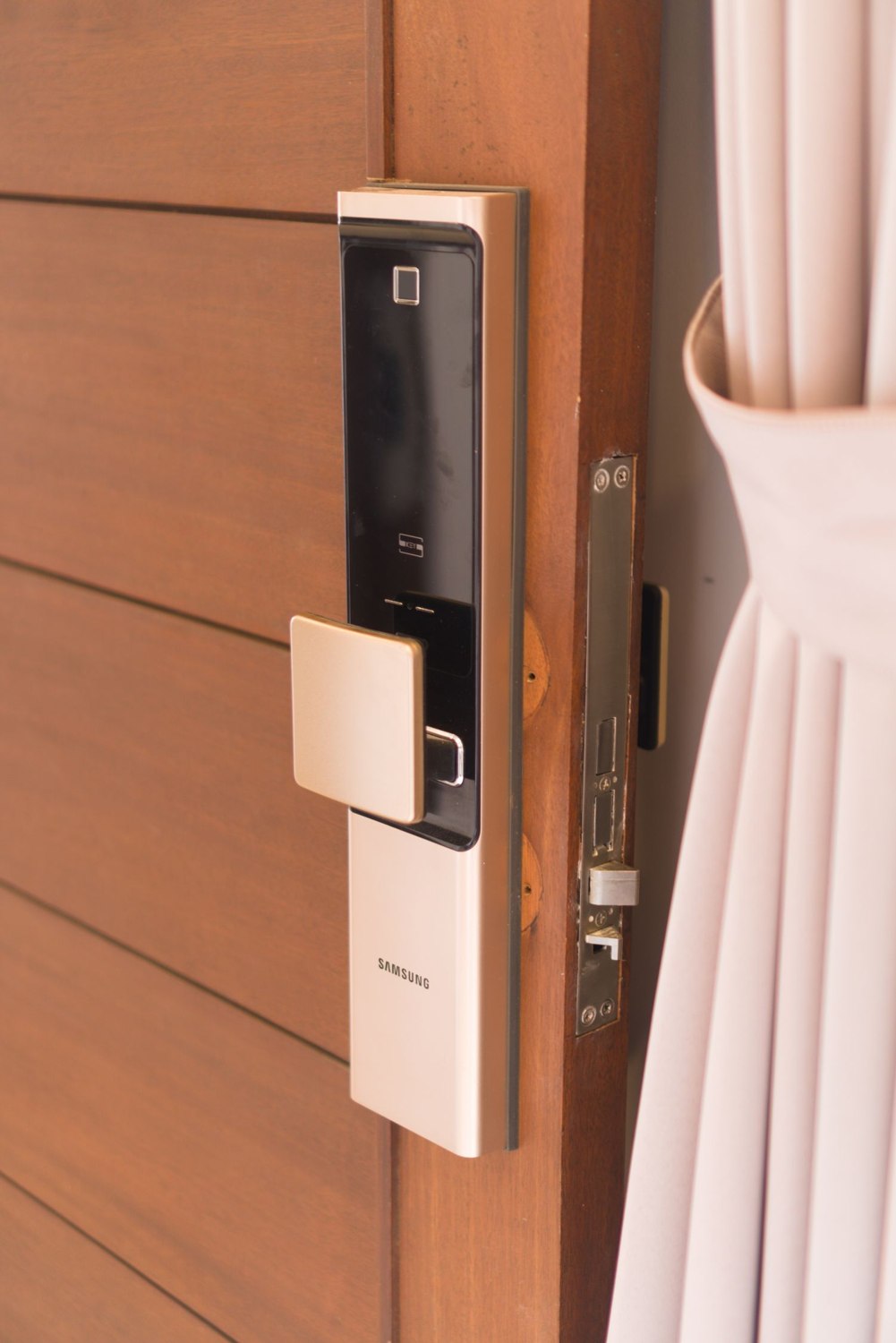
A smart lock can look like a reversible upgrade, particularly when it replaces only the inside portion of an existing deadbolt. That does not automatically make it an alteration a renter may carry out without agreement. Start with the lease and the property manager's requirements, then ask for clear permission where needed.
Describe the specific product and proposed change. Include whether the exterior key cylinder remains, whether holes are required and whether the door has special requirements. Do not assume that a product advertised as renter-friendly is suitable for every fire-rated or shared-building entrance. The person responsible for the property needs enough information to assess the actual proposal.
Agree on legitimate access arrangements without handing over unnecessary app administration. A physical-key requirement, a maintenance-entry process and a smart-lock account are different matters. Local rules and the tenancy agreement can affect these arrangements, so use the relevant property guidance rather than a general internet claim about what landlords or tenants must accept.
Plan the eventual removal
Keep original hardware together in a labeled container and record where it belongs. If professional fitting is required, clarify who pays for installation, adjustment and restoration. A seemingly simple swap can become inconvenient if screws or adapters are missing when the tenancy ends.
Decide who owns the device and the account. An account created by a departing roommate can leave the remaining household with an awkward transfer problem. Use the manufacturer's ownership and sharing process, and keep ordinary users separate from the administrator where possible.
Check physical fit before purchase. Door thickness, clearances and the movement of the existing bolt still matter even for a retrofit design. Do not modify the door beyond the agreed scope simply to accommodate a device that turns out to be unsuitable.
At the end of the arrangement, remove personal credentials and linked services through the manufacturer's process. Restore the approved hardware and confirm that the entrance works normally. A factory reset alone may not complete an account ownership transfer, and deleting an app from a phone does not necessarily remove access.
A roommate change can require the same planning before the tenancy ends. If one resident owns the lock and another controls the app account, agree on who will retain each responsibility. Avoid solving the transition by circulating a shared administrator password. Use the supported transfer or user-management process and make sure the remaining authorized residents have a working entry method throughout.
If permission is refused or the door is unsuitable, the useful outcome is still clear: retain the existing hardware and consider other permitted ways to improve the arrival routine. A smart lock is one convenience option, not a reason to leave an uncertain alteration on somebody else's property.
Keep the written agreement and product instructions with the tenancy records. That makes future maintenance and handover less dependent on memory, while allowing the household to enjoy the convenience without leaving uncertainty about the property or the next occupant.