The first sign of a loose camera mount may be a different strip of roof in the picture. Connectivity has not failed, so the change is easy to overlook. Compare the view with the installation you intended before assuming a slightly tilted image is merely cosmetic.
Look at accessible mounts and brackets periodically, and after an obvious impact or severe weather. Watch for movement, cracked material, a detached cover or a cable carrying weight it did not previously carry. Do not climb or reach unsafely to confirm a suspicion; a ground-level observation is enough to justify arranging help.
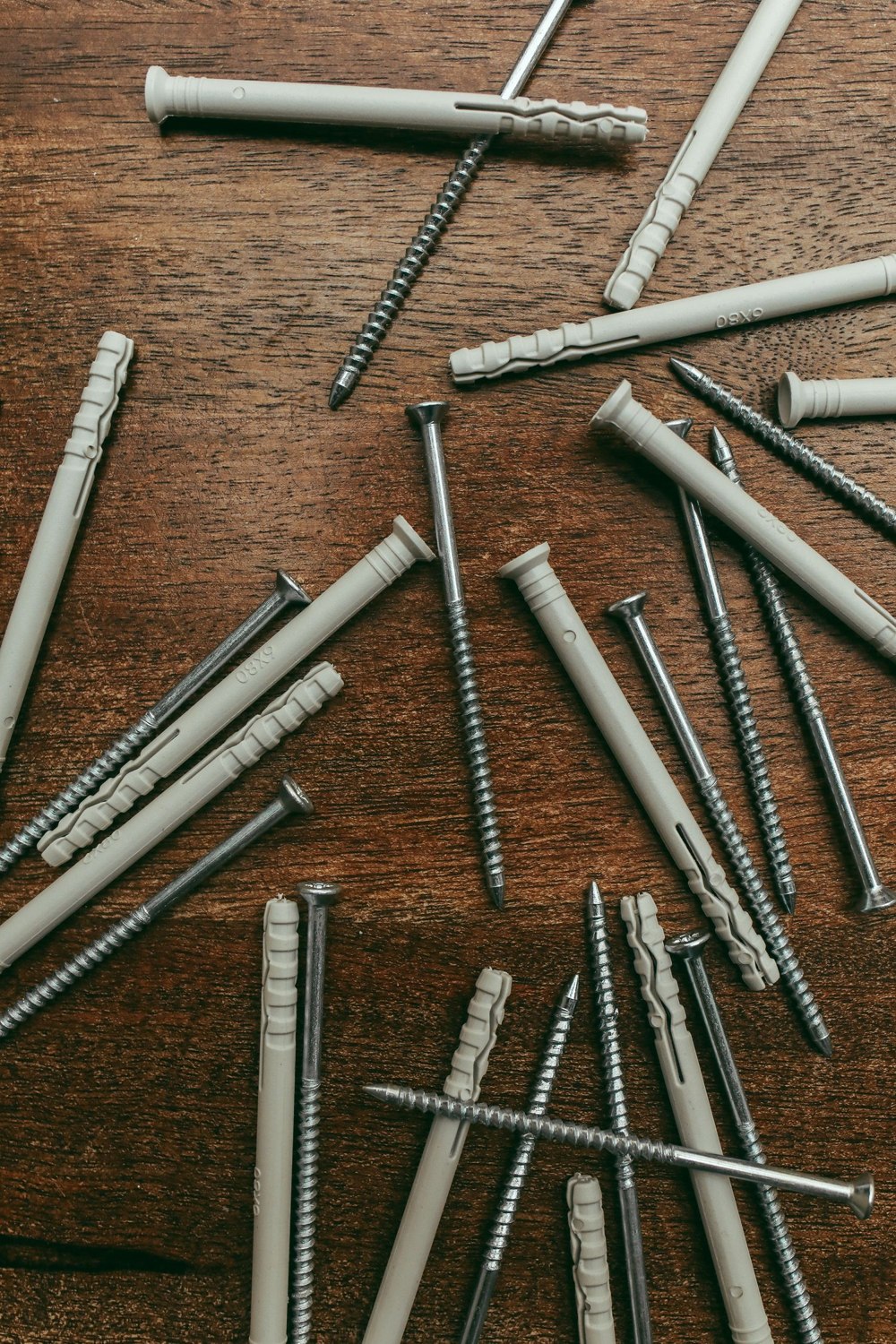
A visible screw is not an invitation to tighten everything as hard as possible. The correct fixing depends on the mount, surface and manufacturer's instructions. Overtightening, substituting an unsuitable fastener or adding adhesive to a damaged bracket can create another problem. If the support or wall fixing appears compromised, have it assessed rather than repeatedly nudging the camera back into position.
Check what movement changed
Review the camera's framing in normal light. Has an entrance moved toward the edge? Does a neighboring window now appear? Are privacy areas still aligned with the intended parts of the scene? Ring notes that moving a camera changes the relationship between its privacy zones and the physical view, so the original mask cannot simply be assumed correct.
Look again after dark if the camera uses night illumination. A shift toward a nearby wall or roof edge may introduce reflections even when the daytime image appears acceptable. Compare a saved clip rather than judging only the small dashboard thumbnail.
After an approved repair or adjustment, verify recording and the desired detection area. Confirm that cables and connectors have their intended support and protection. Photograph the finished installation for your private record, avoiding unnecessary exposure of setup labels or identifiers.
Record repeated movement instead of treating it as routine. If the same bracket needs attention after every windy day, the location or fixing may need a more durable solution. Ask the installer about the cause and the appropriate repair.
The camera's electronic status and its physical condition are separate things. Keeping both under observation helps preserve the view you paid for without turning maintenance into repeated improvised repairs at an awkward mounting height.