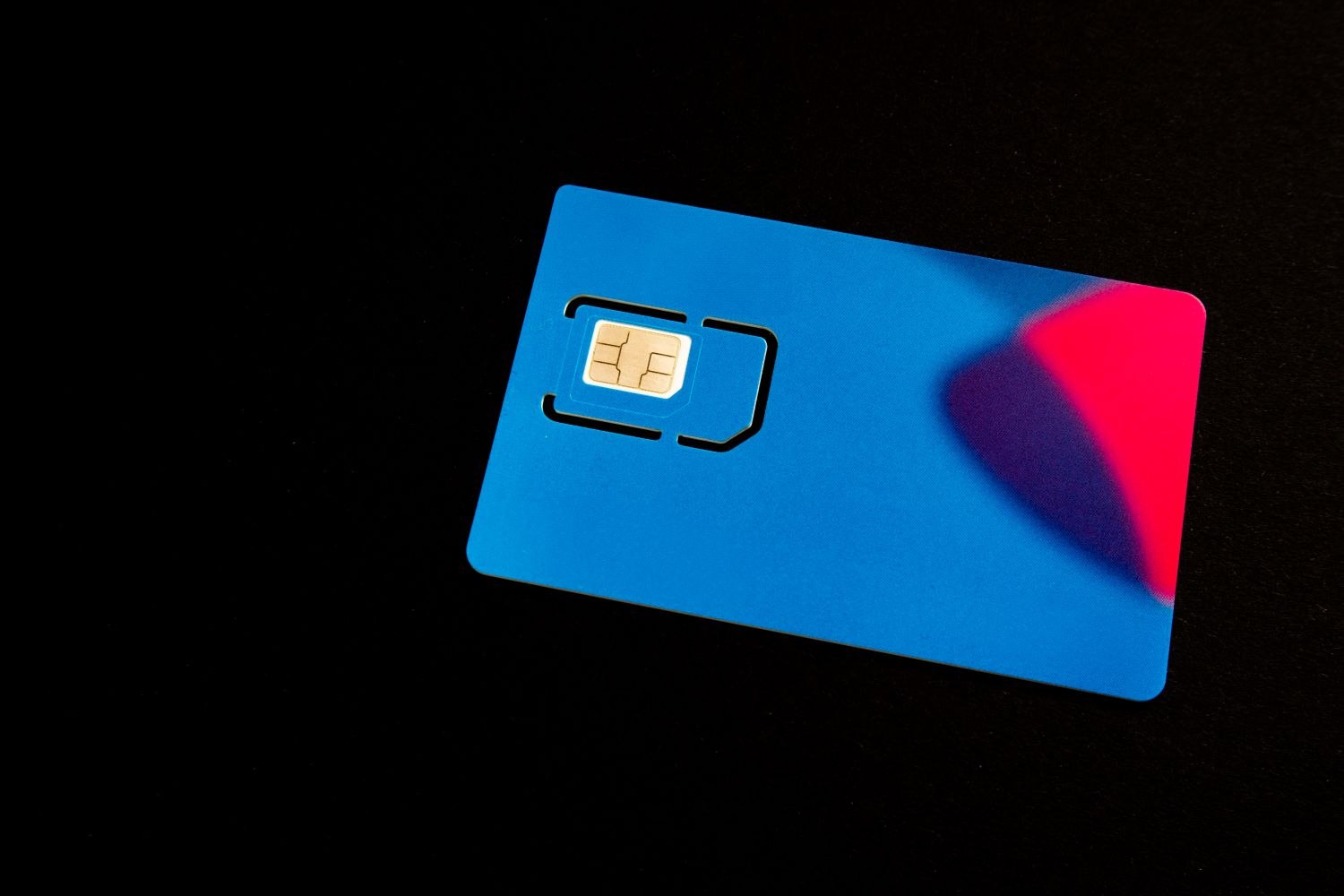
The SIM is usually the easy item to order. Establishing compatibility is the work worth doing first. A camera brought from another market may have the right brand name and still differ from the version sold for use in the United States. Likewise, an online seller's claim that a device is unlocked does not mean every network can support it.
Collect the full model number, regional designation and manufacturer compatibility information before contacting a carrier. Use the carrier's official device-checking process when available. Provide identifiers only through an appropriate private support channel; there is no need to post a device label containing identifying information in a public review.
Ask about the intended use in ordinary language. “This is a stationary security camera that uploads video” is more useful than “I need a SIM.” If it is an intercom, mention voice calling. If it is a messaging alarm, ask about the messaging service. Get confirmation about the plan as well as the hardware, because permission to attach a device and permission to use a particular tariff are separate issues.
Make the comparison concrete
Suppose two plans appear suitable. One offers a low monthly allowance and the other a larger allowance with different renewal terms. Before comparing prices, establish whether both accept the camera, cover its location and permit the required use. The cheaper offer is irrelevant if it is intended only for a different device class.
Then consider activation. Does the SIM arrive active? Does the manufacturer supply its own managed SIM? Must the account be created before installation? Reolink, for example, directs cellular-camera buyers toward model- and region-specific carrier recommendations. Its instructions are a useful illustration of why a generic phone-plan recommendation is insufficient.
Keep the compatibility confirmation with the order details. A short saved note stating the model, plan and date is easier to retrieve than a memory of a sales conversation. Do not include the account password in that note.
Allow time for a supported trial at the actual property. A successful registration near the retailer is encouraging, but it cannot establish reception at a camera mounted behind a brick garage. Complete normal remote viewing or message tests before securing equipment in a difficult-to-reach position.
If a provider cannot give a clear answer, return to the equipment supplier with the uncertainty. Choosing a documented combination is generally more manageable than building the entire installation around a card that happens to work once. Compatibility should be the starting condition, not a discovery made after the return period ends.