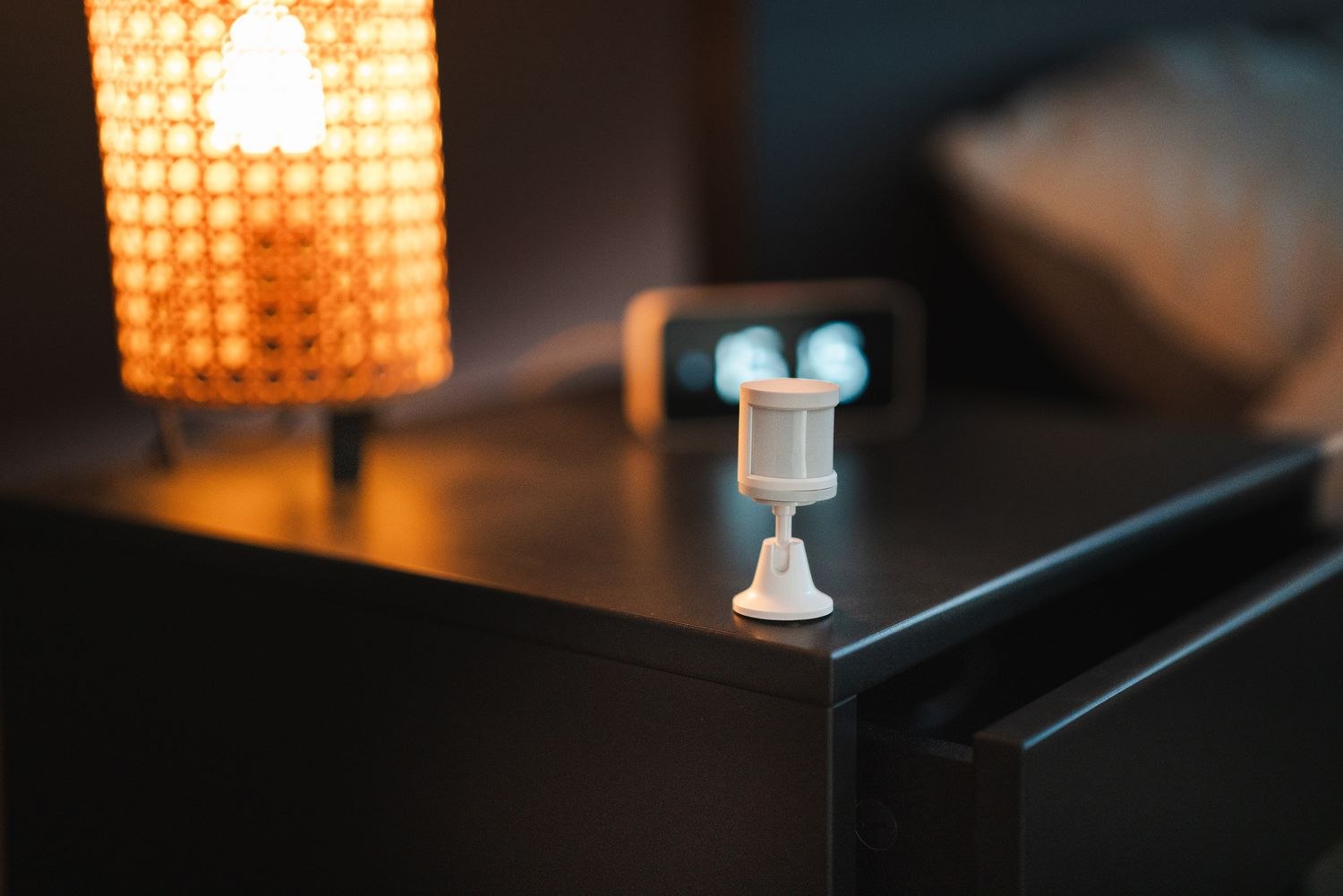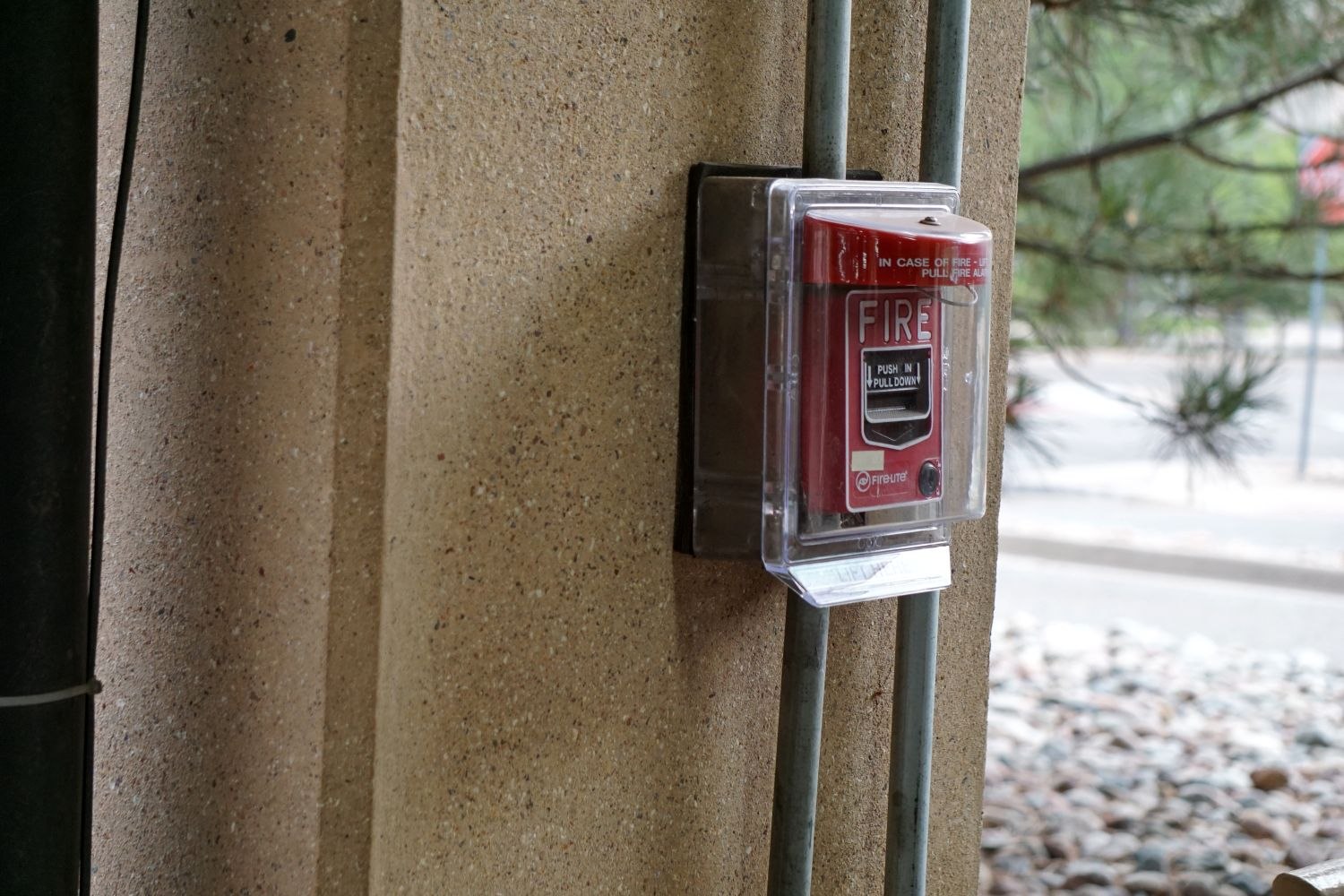
A home app may show a door contact, smoke alarm and water sensor in the same list. That shared interface can make them feel like variations of one product, but their jobs are not interchangeable. An intrusion detector observes an event associated with access. A smoke or carbon-monoxide alarm is intended to warn about a particular hazard under its own specifications.
Read the product's stated purpose before deciding what it covers. A camera that recognizes a sound is not automatically a replacement for the alarm producing that sound. A notification on a phone is not the same as an audible warning for someone inside the property. Each part needs to be understood on its own terms.
CPSC provides separate guidance for smoke and carbon-monoxide alarms, including placement and routine checks. Follow the applicable device instructions and local requirements for your property. Do not substitute a general security sensor because it is easier to connect to an existing hub.
Keep maintenance instructions separate
The right test, battery arrangement and replacement interval can differ between devices. Some alarms have sealed batteries; others use replaceable cells. A generic instruction to change every battery annually may therefore be inappropriate for a particular product. Read the label and manual rather than applying the routine used for a door contact.
Likewise, a general alarm test mode may not describe how every connected hazard detector should be checked. Use each manufacturer's approved method and coordinate with an active monitoring provider where required. Never introduce smoke, gas or another dangerous condition as an improvised demonstration.
Understand what a monitoring service actually supports. Intrusion monitoring, fire-related signals and other event types may have different equipment and property conditions. A plan name or a visible device icon does not establish that every event receives the same response.
Write household instructions that distinguish urgent hazard warnings from maintenance messages. If a smoke or carbon-monoxide alarm sounds, follow the appropriate emergency guidance; do not spend time troubleshooting a phone connection before responding to a potentially dangerous condition. Keep the manufacturer's emergency information accessible.
When buying additions, ask two separate questions: what hazard or event is this device designed to detect, and how will the people who need the warning receive it? That prevents a convenient app integration from being mistaken for a complete life-safety plan.