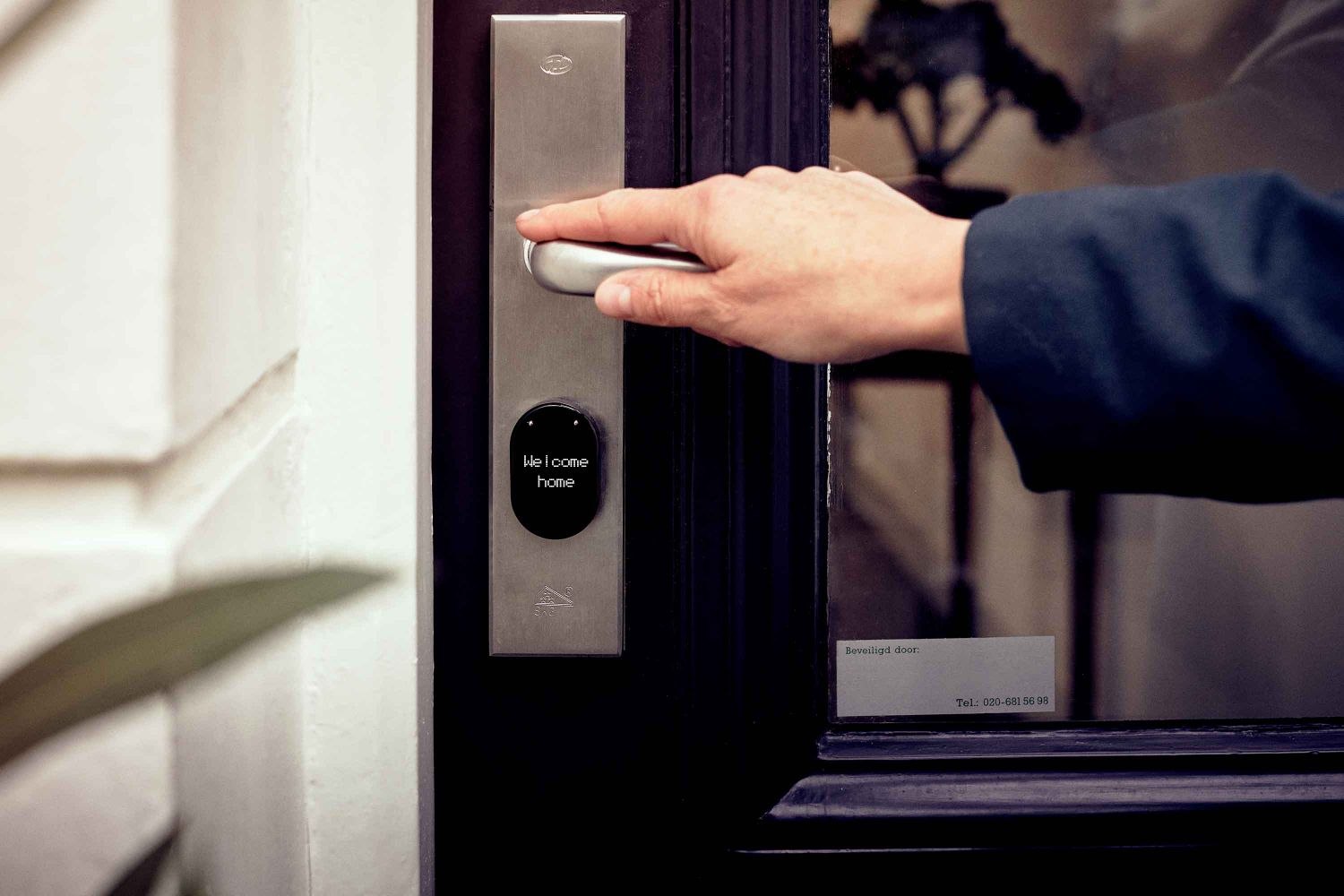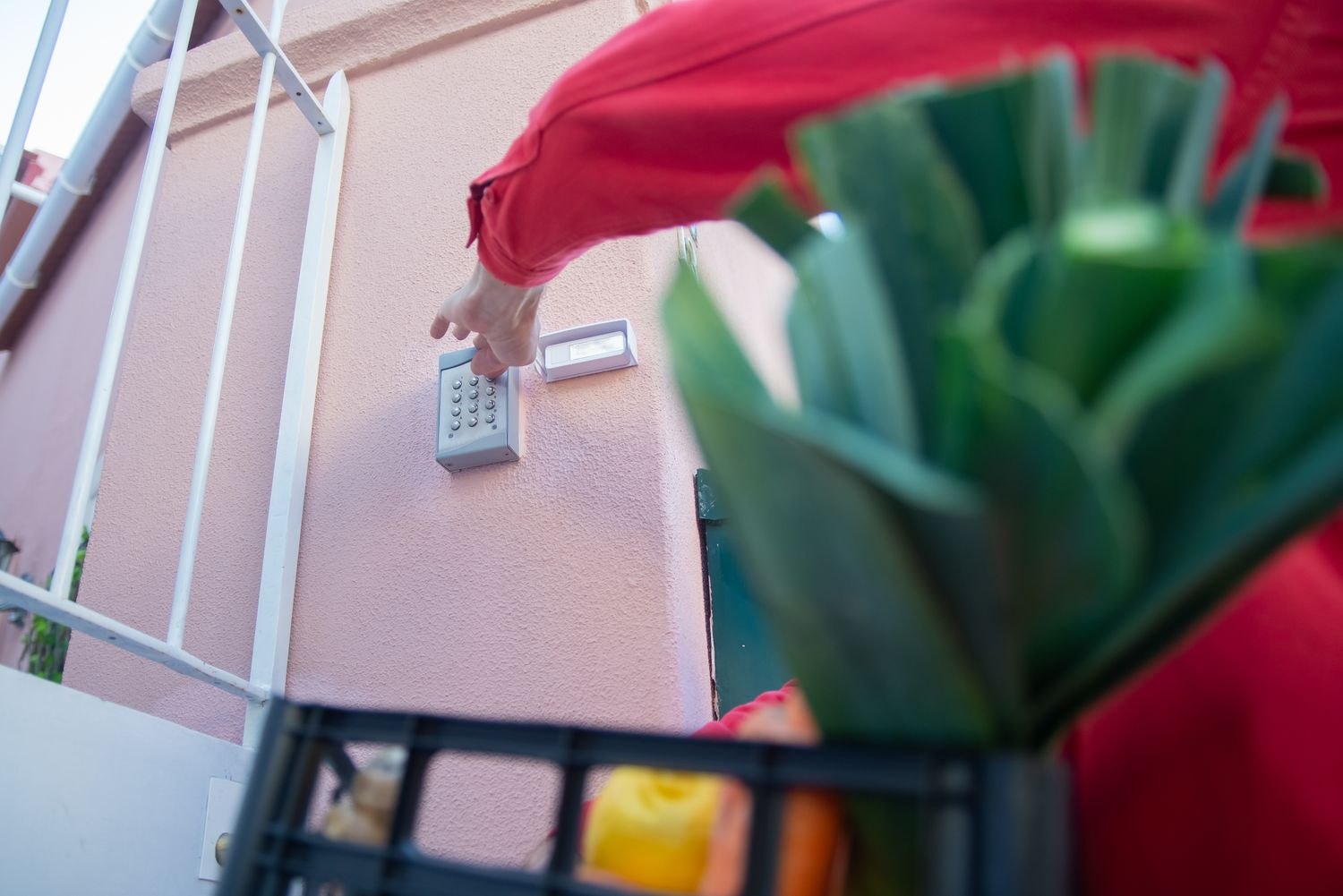
“Someone is at the door” is useful information, but it is not enough by itself to decide that the door should be unlocked. The message might refer to motion, a button press or an event that occurred several minutes earlier. Read what triggered it and confirm the situation through the household's agreed process.
Check the entrance name and event time. This is especially important for accounts containing several properties or doors. A thumbnail can be old, a live view can take time to connect and an app may display a previous event while a new notification arrives. Do not let familiarity with the interface replace checking what is actually on screen.
Use a known, appropriate way to verify an expected visitor. For example, a scheduled contractor can be contacted through the number already held for the appointment rather than a number supplied in an unexpected message. The relevant method depends on the arrangement; the point is to establish why entry is authorized before operating the lock.
Separate permission from operation
Decide which area the visitor needs. Entry through a side door into a workshop may be a different permission from access to the whole home. If the system cannot express that distinction, reconsider the arrangement rather than assuming a short visit creates no access concern.
When an unlock command is sent, wait for the supported confirmation and understand what it means. A network acknowledgement is not necessarily proof that the bolt moved or the door opened. If the state remains uncertain, use an authorized local check rather than sending commands repeatedly.
An expected furniture delivery is a useful example. The owner may know the appointment window but still need to confirm that the person at the entrance is the expected delivery contact and that someone is ready to receive the item. A motion alert within that window does not establish all of those facts. A brief conversation through an appropriate channel can settle the ordinary questions before entry is granted.
Keep the decision separate from pressure to act quickly. A message saying a visitor is in a hurry does not improve the device's information. If the household's agreed verification cannot be completed, arrange another legitimate handoff rather than converting uncertainty into an unlock command.
Coordinate with anyone already inside. A resident may have locked the door for a reason that is not visible remotely, or may be standing nearby when the mechanism moves. A simple household agreement about remote operation can prevent surprise and confusion.
After the visit, verify the intended closing routine. Do not assume that remotely locking a bolt confirms that the door has closed, unless the exact system provides and correctly uses the relevant position information. Separate alarm arming may also be required.
If the visitor cannot be verified or the device status is unclear, pause and use another legitimate arrangement. Remote access is most useful when it removes an unnecessary trip while preserving the same thoughtful decision you would make if you were standing at the entrance yourself.