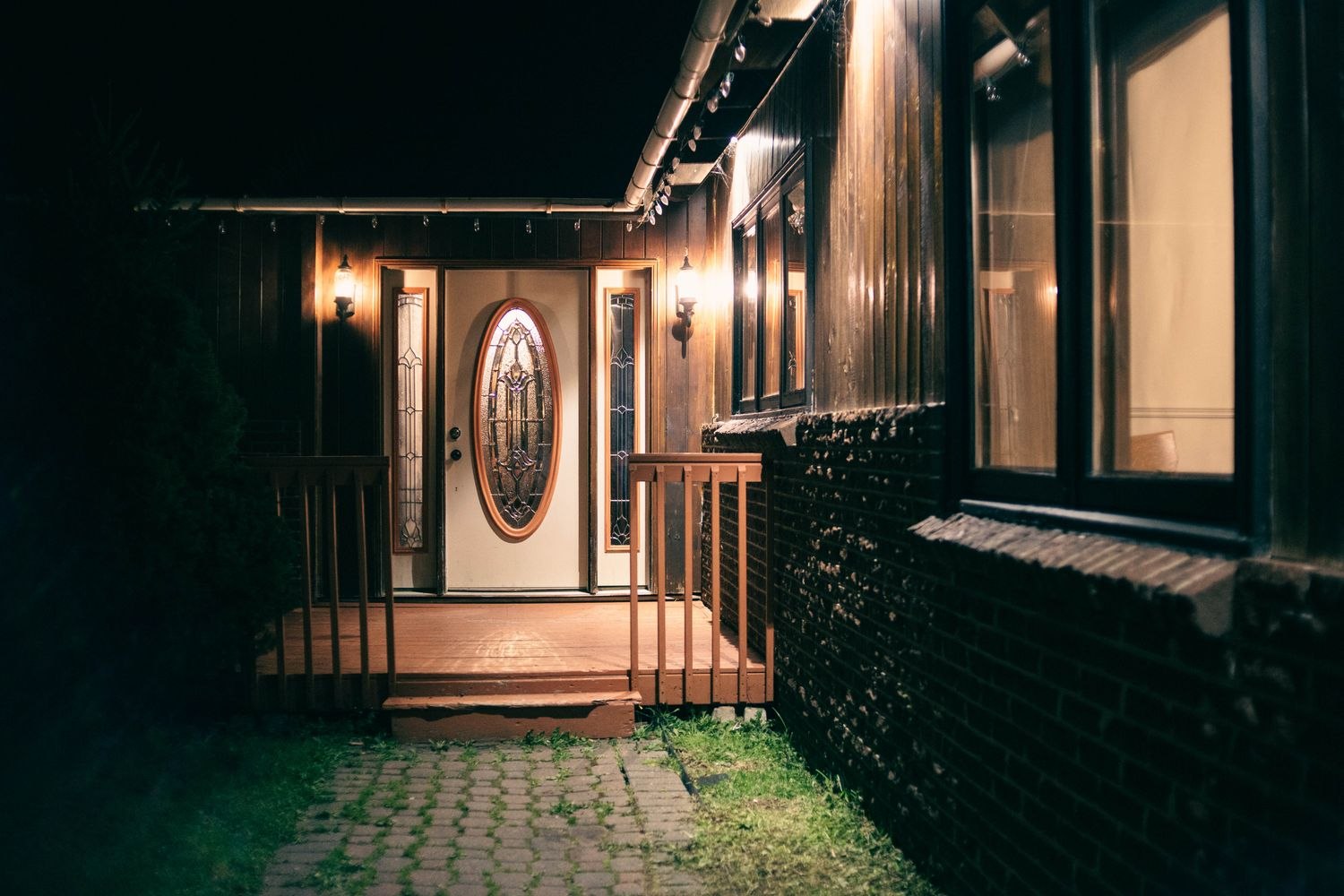
The driveway looks crisp in the afternoon. You can pick out the paving and the leaves on the hedge. Later, a visitor crosses the same scene, and the saved image of their face is a blur. Buying a higher-resolution model may not solve the cause.
A camera spreads its available detail across the whole picture. If the useful subject occupies a tiny area at the far edge, much of that detail describes the house, road and sky. Cropping or digital zoom can make the face larger on screen without creating information that was never recorded.
Look at distance and angle first
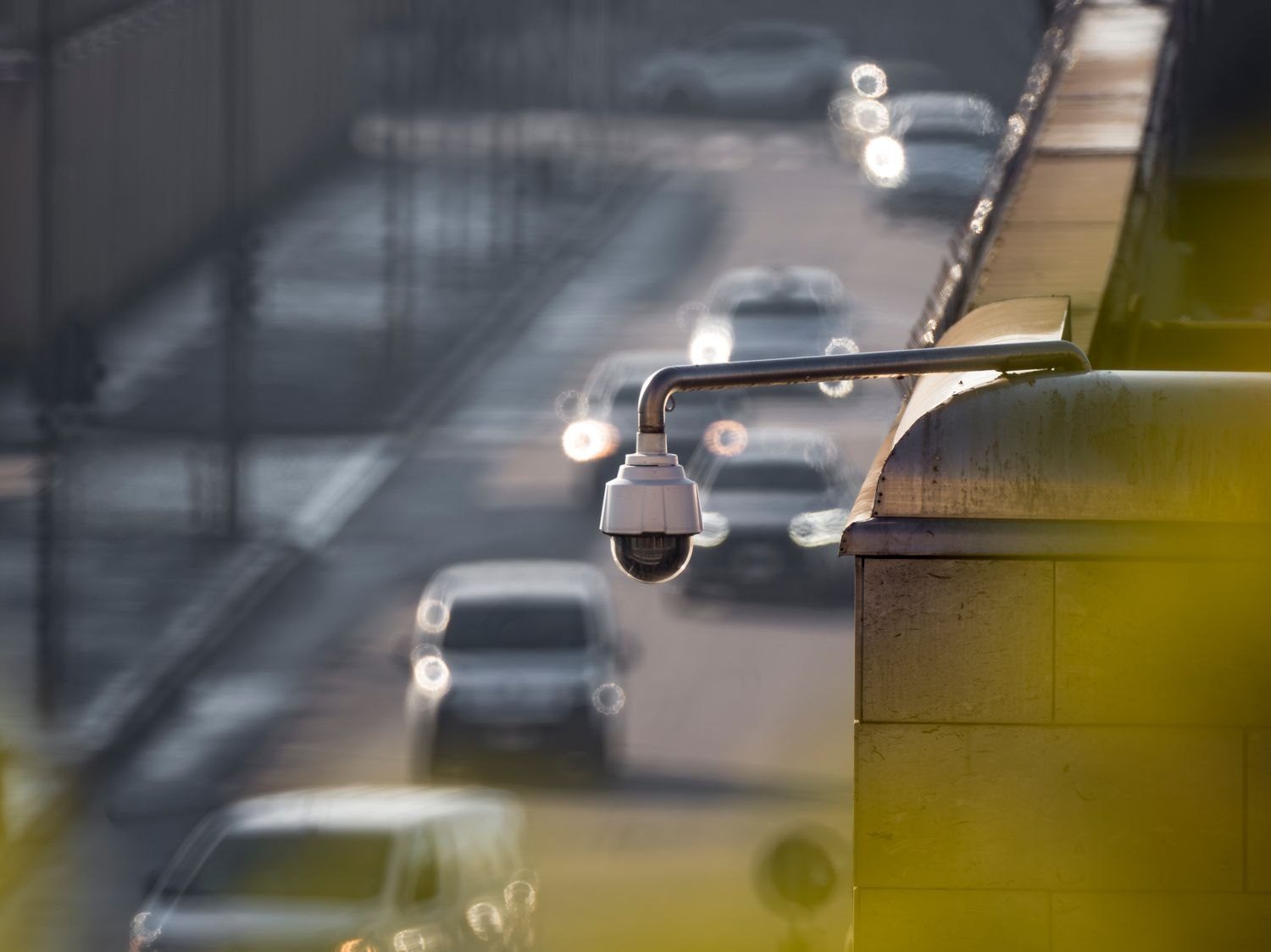
Review an ordinary arrival from the route people actually use. A camera mounted very high may show the top of a head. A wide view across two parking spaces may leave the doorway too small. Moving closer to the point of interest, or assigning two different jobs to separate views, can be more effective than chasing a larger resolution number.
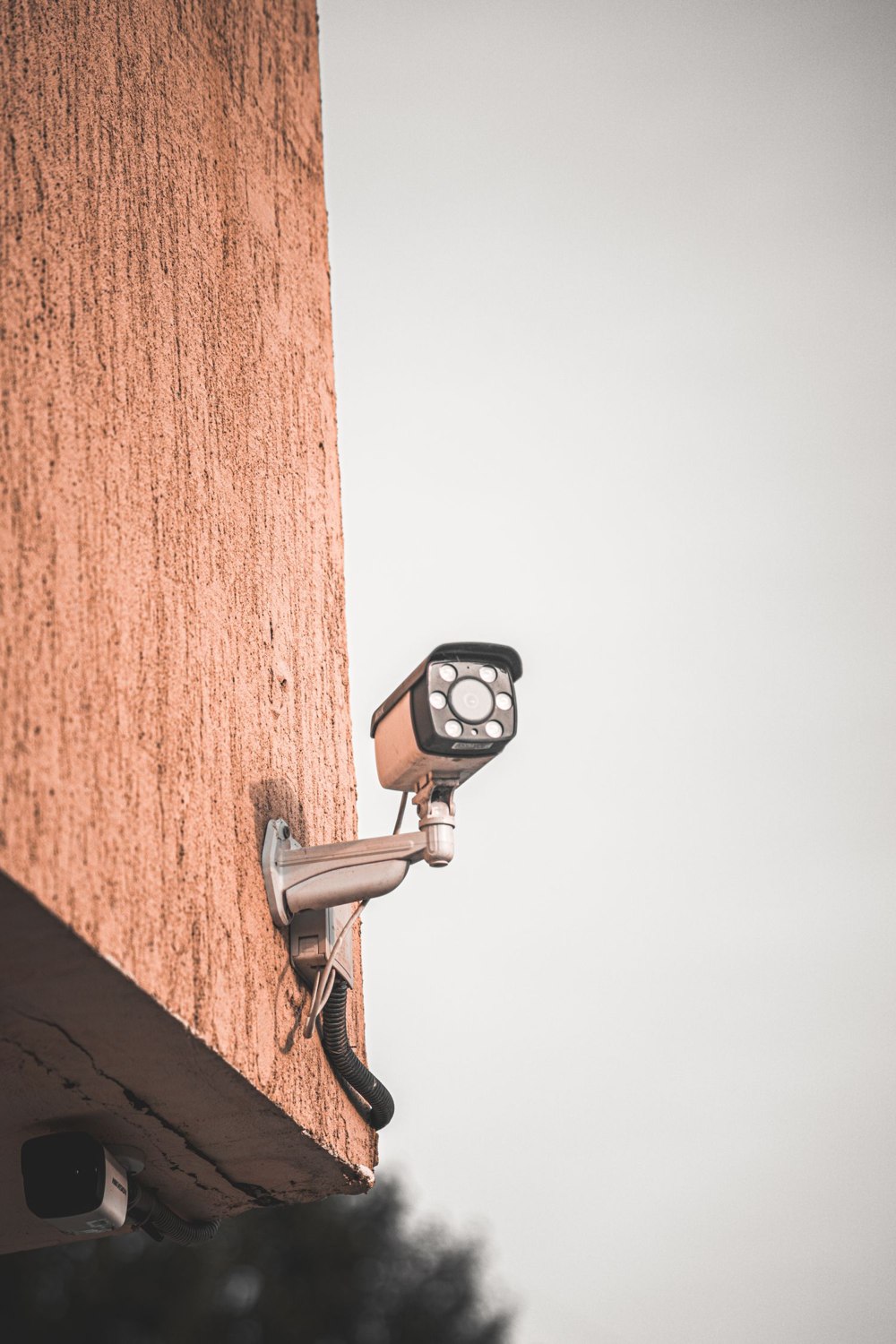
Do not assume the best position is within easy reach of anyone passing by. Balance a useful angle with the manufacturer's mounting guidance and the need to protect the equipment. The goal is to see a normal approach, not to produce a staged portrait of someone looking directly at the lens.
Review motion after dark
Still scenery and moving people put different demands on an image. Low light can make movement harder to capture clearly. Strong backlighting can leave a face dark while the background looks properly exposed. A bright wall close to an infrared camera may dominate the night scene.
Check lighting and placement before changing several picture settings at once. Compare the same walking route under similar conditions. Use a saved original clip where possible: a low-quality preview, shared messenger copy or small notification image may not represent the recorded file.
Network and recording settings also matter. Some systems allow different quality levels, and the best available setting may use more upload bandwidth or storage. Confirm what the particular camera actually saved rather than assuming the live view and archive use identical settings.
Keep expectations proportionate. A domestic camera can provide useful context without reliably identifying every moving person at every distance. A better coverage plan starts with the encounter you need to see, then checks whether the footage preserves it under the least favorable ordinary conditions.