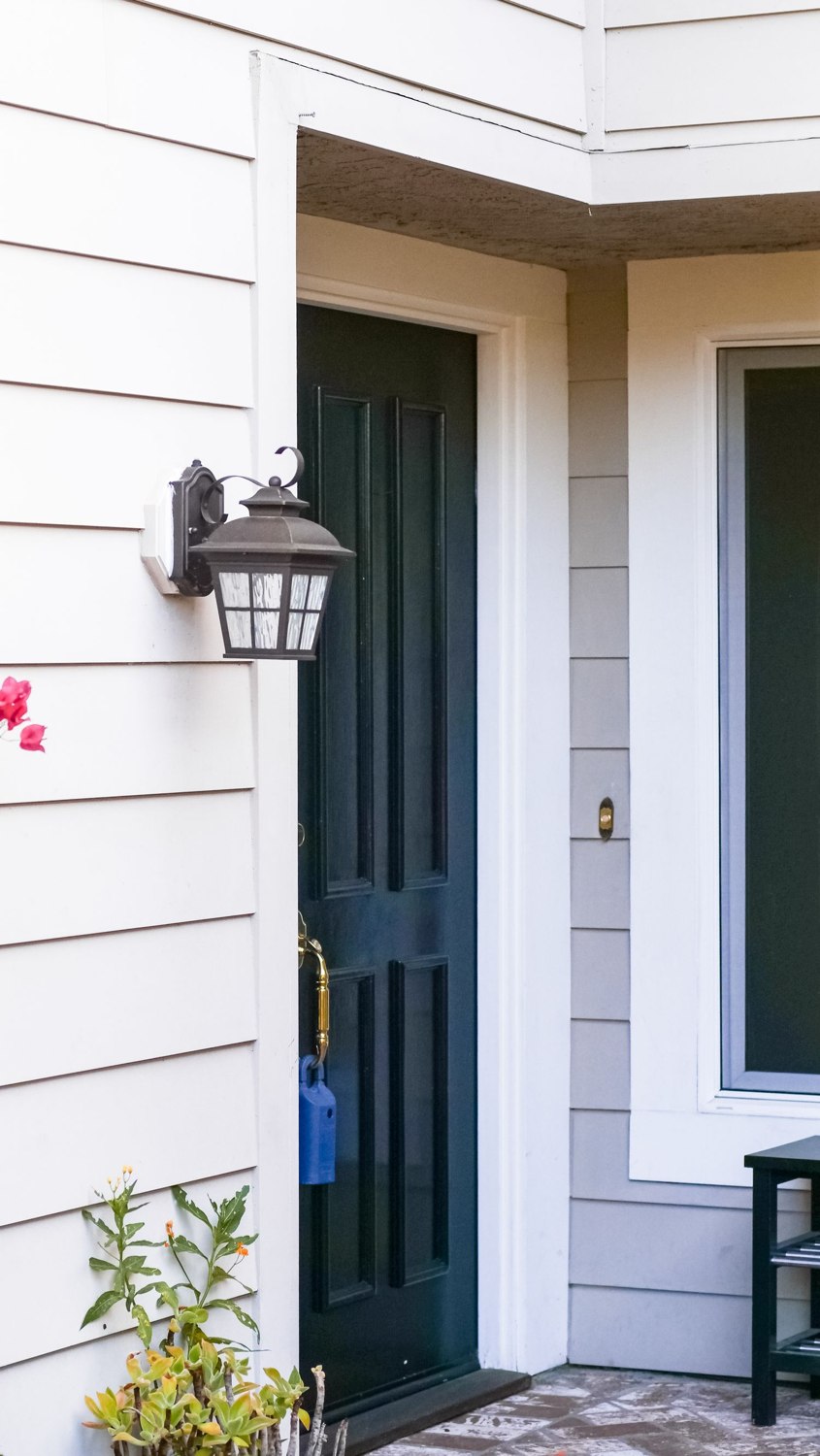
When the front door opens almost directly onto a sidewalk, public movement fills much of a doorbell camera's view. A person walking past may be only a step farther away than someone arriving. That makes placement and alert settings especially important.
Identify the small area that belongs to an actual visit: the step, the place a person waits and any short approach within your property. Check whether the camera can show that area clearly without pointing unnecessarily into a neighboring entrance or window. A supported angle mount may help, but only if it preserves a usable view of your own doorway.
Avoid solving every problem with sensitivity
Lowering sensitivity until passing pedestrians disappear may also make a real arrival harder to detect. Where supported, a carefully drawn activity zone or appropriate event filter can offer a more targeted adjustment. Read what those controls actually change: notifications, recording triggers and privacy masking are not interchangeable.
Test two separate paths. Have someone pass along the sidewalk without approaching, then have them turn toward the door and wait normally. Review the saved events and the phone notifications. A configuration that works only when a visitor pauses in exactly the right spot is not very useful.
Nighttime traffic can introduce headlight reflections and moving shadows even when the vehicles stay outside a selected zone. Review a normal evening before deciding the settings are finished. Avoid repeated changes after every isolated alert; look for a pattern that explains the interruptions.
Keep the recording proportionate
If you can exclude an unrelated doorway by changing the view, do so. If the model provides privacy masking, check its behavior in saved footage as well as live view. Audio needs a separate decision because it can capture conversations outside the framed area. Local requirements for cameras and sound recording may also apply to the location.
Make the physical button easy to find. A camera tucked behind a frame to reduce the street view may confuse visitors or be blocked by the opening door. A sensible setup keeps the expected interaction straightforward: arrive, find the button, wait in view. The background should support that task rather than drive an endless stream of alerts about people who are simply walking past.