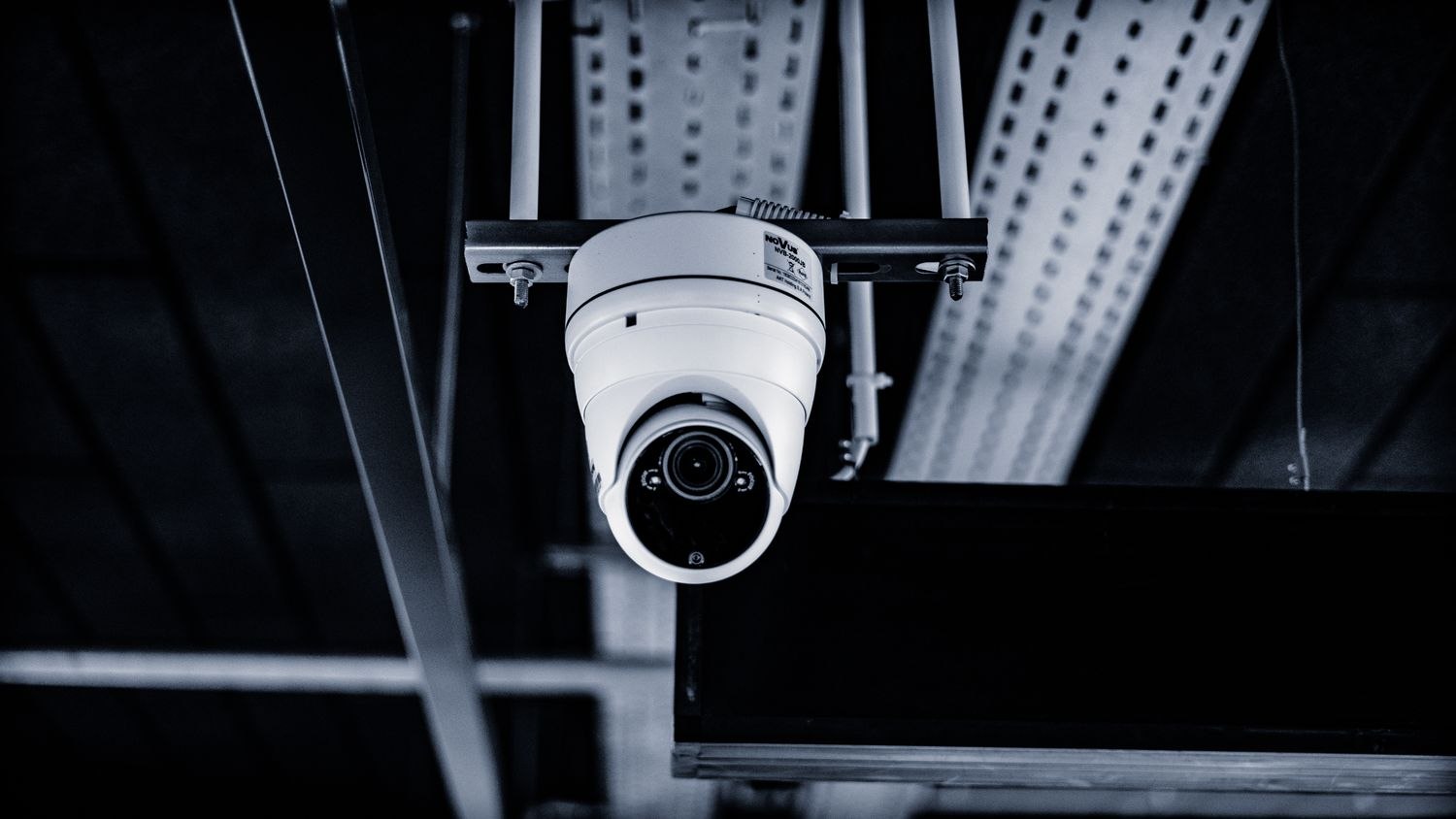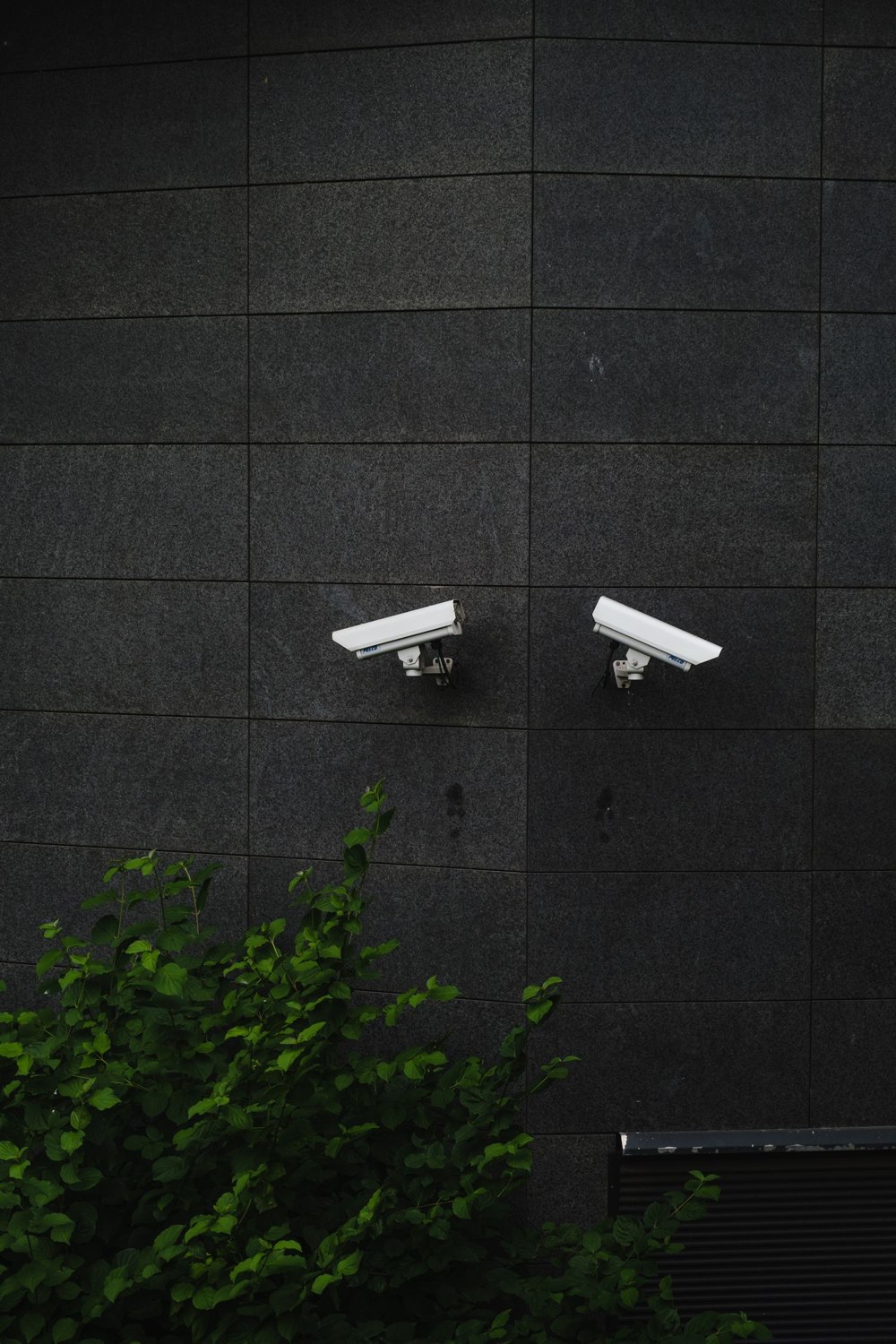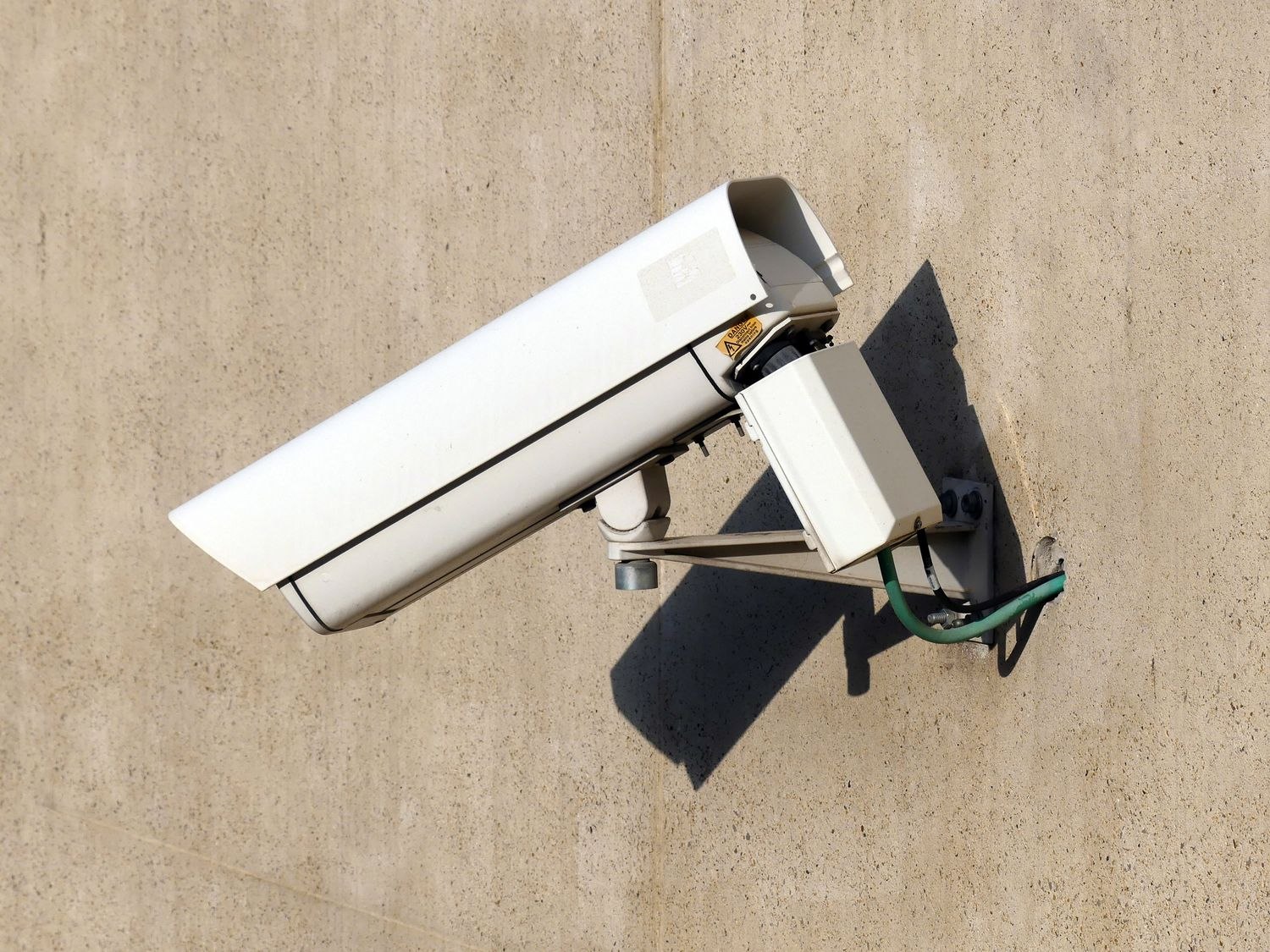
An outdoor camera can remain operational in rain while producing a poor image. A drop on the lens cover can distort a small area, scatter light at night or obscure the place where a visitor stands. The device's weather rating and the clarity of its view answer different questions.
Look for a mounting location that reduces direct exposure without blocking the approach. A suitable overhang may help, but avoid pushing the lens so far back that the roof edge dominates the picture or reflects infrared light. Follow the manufacturer's orientation and installation guidance, including the treatment of cable connections.
Water can arrive from more than the sky. A gutter overflow, roof drip line, sprinkler or hose may repeatedly wet the same spot. Watch the area during ordinary rain if possible. A protected wall can still receive runoff from above, and a change to landscaping can alter the exposure later.
Check after the weather changes
Review the image during and after a wet period. Note whether the problem clears as the outside dries or remains as an internal-looking fog. Do not open a sealed device or disturb its protective parts to investigate; follow support guidance if condensation or water ingress is suspected.
Clean the lens cover using the approved method. Abrasive cloths, strong cleaners and unapproved water-repellent coatings can damage surfaces or affect the image. A product intended for a car windshield is not automatically suitable for a camera's plastic cover or optical coating.
Think about safe access. If every storm leaves the only useful part of the view obscured and cleaning requires a ladder, the location may need reconsidering. A mounting adjustment or a manufacturer-supported accessory can be more sustainable than frequent difficult maintenance.
Also inspect the night image after cleaning or repositioning. A small cover, bracket or nearby wall can create an infrared reflection that is invisible in daylight. Do not add an improvised hood that covers vents, microphones or other required openings.
Weatherproofing should remain intact, the lens should have a useful outlook and routine checks should be possible without risky access. A camera that survives outdoors is only part of the goal; it still needs to see the entrance when the weather is ordinary rather than ideal.