A spare key inside the locked property can be useful after someone enters by another route, but it does little for the person stranded outside. Start with the situation the key is meant to solve. Is it for a resident with a flat phone, a trusted local contact or an approved service visit? The answer affects who should hold it.
Choose a responsible person who has agreed to the role and can realistically be reached. Do not assume that a relative across town is available at all hours. Explain the circumstances in which the key may be used and what to do if it is lost.
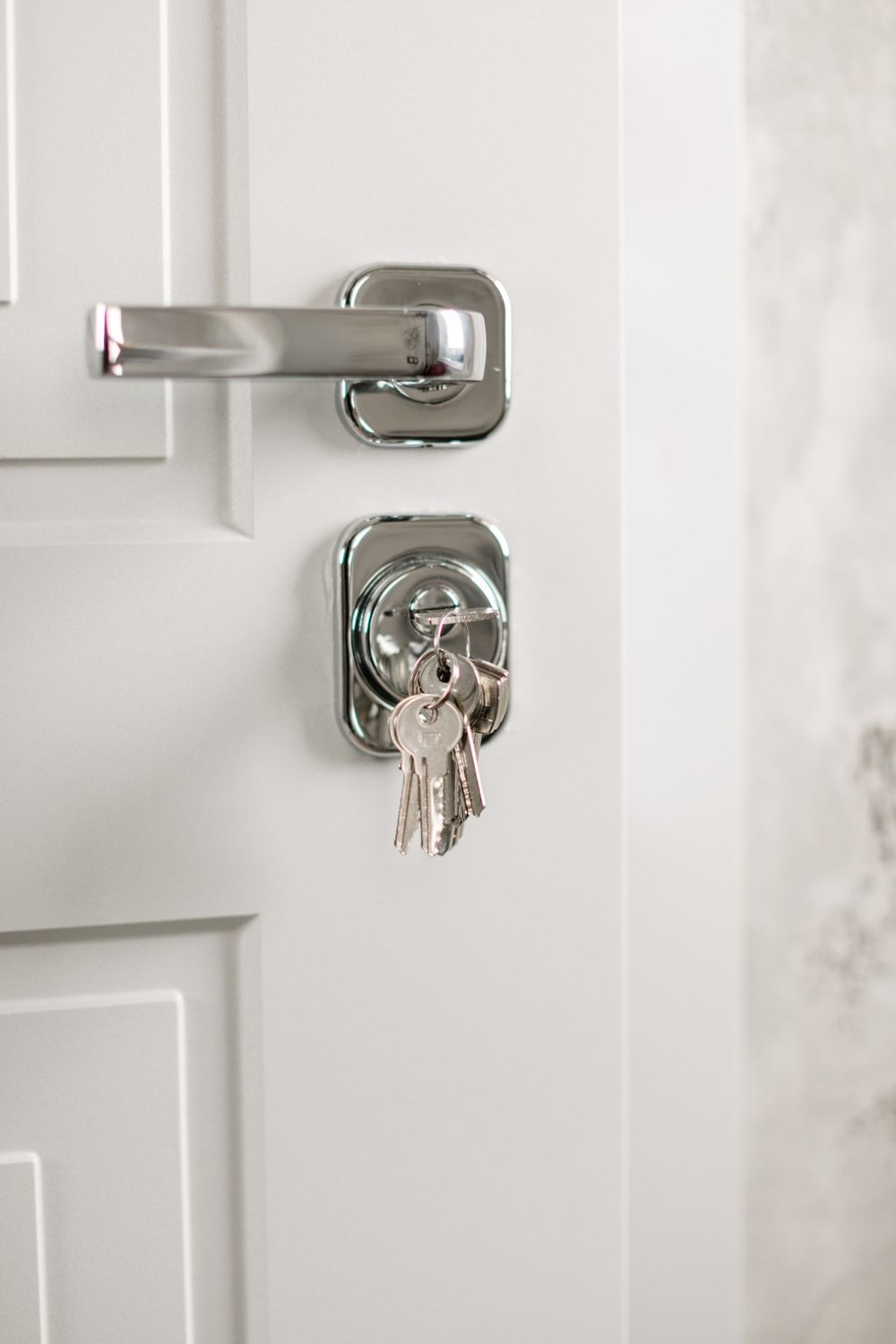
Keep identifying information limited. A loose key labeled with a full address gives unnecessary information to whoever finds it. Store any record of the holder separately from the key itself, and avoid obvious hiding places around the entrance.
If a secured key-storage product is considered, assess its suitability and installation rather than treating every small box as equivalent. Read the manufacturer's requirements and the property's conditions. Do not publish its location or access details in guest instructions that may be forwarded broadly.
Check that the key is the correct one and operates the intended lock under controlled conditions. A spare left over from a cylinder replacement is not a backup. For a smart lock with a physical cylinder, use the manufacturer's instructions and keep a safe authorized route available during the check.
Remember the alarm. A person who can unlock the door may still need a separate, legitimate way to follow the alarm arrival routine. Decide whether that permission is needed and how it will be managed; do not attach an alarm code to the key tag.
Review the arrangement when a resident moves out, a trusted holder becomes unavailable or hardware is replaced. Retrieve superseded keys and update the record. If the lock has no mechanical-key option, do not invent one: use the manufacturer's actual fallback method instead.
The best backup is ordinary and understandable. The authorized person knows what they hold, the resident knows whom to contact, and the key remains relevant to the current entrance rather than becoming another unidentified item in a drawer.